Category: Security Policy & Defence
-
Missing the Jungle for the Trees
How did US intelligence miss the warning signs of the Tet Offensive? Dmytro Sochnyev revisits one of the Vietnam War’s most consequential intelligence failures. Despite abundant evidence of an imminent large-scale attack, entrenched assumptions and cognitive bias blinded American commanders to the signs. Sochnyev analyses how this misjudgement turned a tactical success into a strategic…
-
Future-Proofing Europe: Dual-Use Tech at Stake
Can the EU balance innovation and security while controlling dual-use technologies in a volatile geopolitical context? Dual-use items like AI, drones, and semiconductors fuel growth but risk weaponization; the EU must align member states, avoid over-reliance on the US, and set global standards. By leading in responsible tech governance, the EU can strengthen strategic autonomy…
-
China’s Dual Strategy in Myanmar
– Does China’s simultaneous provision of cyber capabilities to the Myanmar military junta and tacit approval of actions that empower anti-junta groups constitute a deliberate strategy of “managed instability” designed to advance Beijing’s economic and strategic interests? – China negotiates with both factions allowing it to maintain good relations with both sides while securing its…
-

Caribbean Flashpoint
1. The article explores how recent U.S. military actions in the southern Caribbean challenge international law and regional sovereignty. 2.The U.S. crackdown on “narco-terrorists” expands military powers, provoking Venezuelan resistance and deeper Russian and Chinese support for Caracas. 3.These moves heighten Caribbean tensions, making diplomacy and respect for international norms crucial to avoid escalation.
-
The 34th Economic Forum in Karpacz
The conference report highlights the 34th Economic Forum in Karpacz as a platform for diverse perspectives on security, showing that sustainable defense relies on people, civic engagement, and cross-sector collaboration. Discussions on Ukraine and Russian threats revealed gaps in preparedness, emphasizing the importance of public awareness, youth involvement, and mentoring the next generation of security…
-
Poland–Korea: A New Defence Alliance
How are Poland and South Korea expanding defence cooperation, and what are the strategic implications? Poland gains rapid access to advanced weaponry and industrial growth, while Korea secures a strategic entry into Europe as a global defence exporter. The partnership could become a lasting model of Europe–Asia defence cooperation if localisation and NATO integration succeed.
-
The Australia–Nauru Security Treaty
Main Question: Does the Australia–Nauru treaty help counter China’s Pacific influence, or risk harming Nauru’s sovereignty? Main Argument: The treaty boosts Australia’s strategic stance by limiting China’s access, reassuring allies, and asserting regional leadership. But it risks neo-colonial perceptions, deepens dependence, and ignores key Pacific concerns like climate change. Conclusion: To succeed, Australia must prioritize…
-
Rising Threats on NATO’s Eastern Border
Main question: How are rising Russian provocations threatening NATO’s eastern border? Argument: Since 2022, Russia (often with Belarus) has carried out drones, missiles, sabotage, and hybrid attacks in the Baltics, Romania, and Poland, escalating regional tensions and testing NATO’s defenses. Conclusion: Russia’s actions aim to intimidate neighboring countries; NATO must strengthen deterrence and coordination to…
-
Burkina Faso’s Militarised Turn
1.What does Burkina Faso’s shift to military governance reveal about its political trajectory and the future of governance in the Sahel? 2.The regime frames militarised governance as restored sovereignty, rejecting Western conditionality, while legitimising itself through nationalism, anti-colonial rhetoric, and closer ties with Russia. 3.This strategy strengthens regime survival, but risks deepening authoritarianism, and normalising…
-
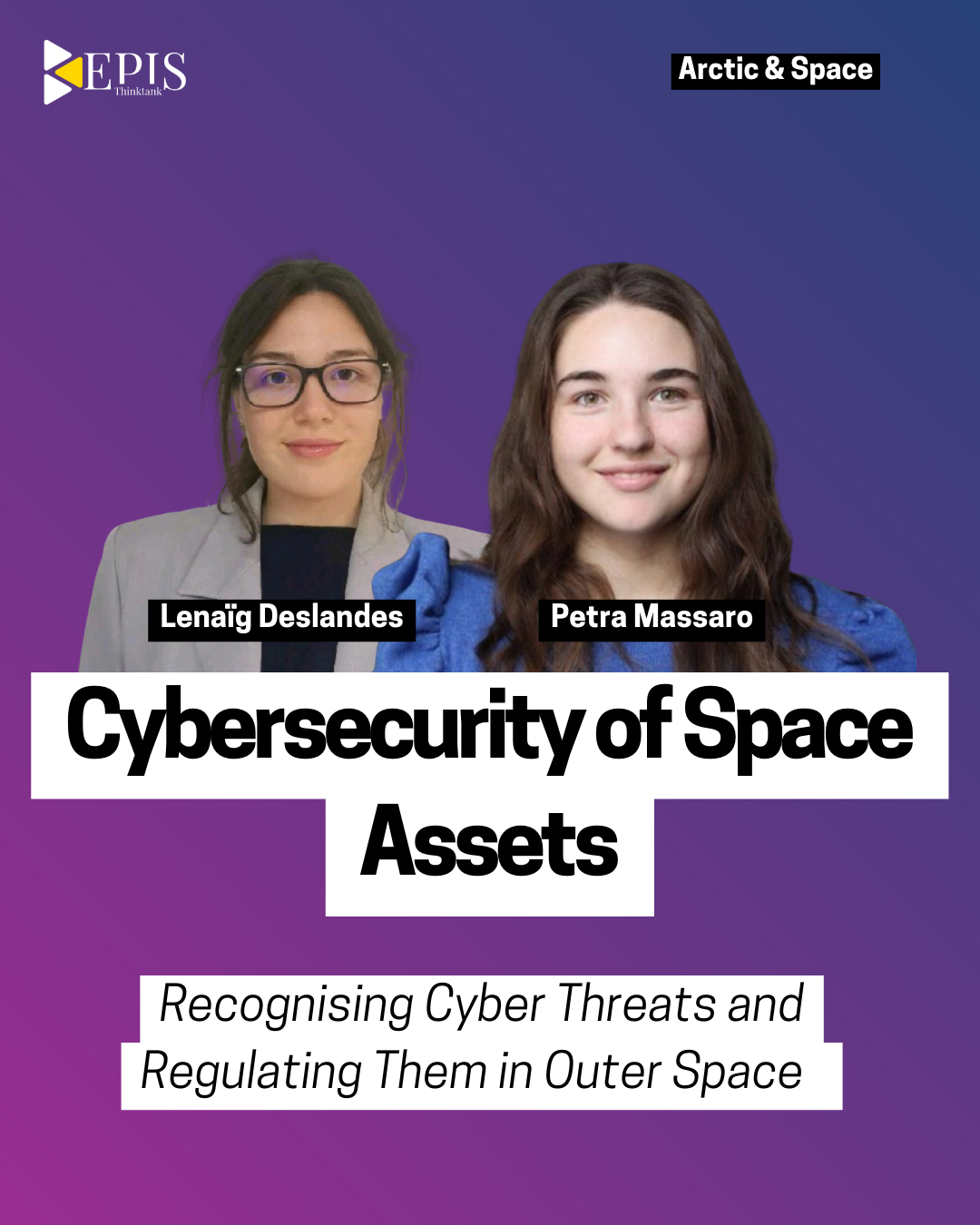
Cybersecurity of Space Assets
There is an immediate need for a thorough, multifaceted strategy to security that incorporates international collaboration, regulatory restrictions, technical standards, and moral principles for AI space cybersecurity. There is an immediate need for a thorough, multifaceted strategy to security that incorporates international collaboration, regulatory restrictions, technical standards, and moral principles for AI space cybersecurity.