Tag: Crisis Management
-
South Africa – Xenophobia or Inequality?
The main question is, what is the nature of the recurring anti-immigration violence in post-apartheid South Africa, and what are its systemic causes and consequences? The violence is driven not only by structural inequality and political scapegoating, but also by the resulting microeconomic instability that deters foreign capital and deepens severe diplomatic fractures, ultimately compromising…
-

Allies in Uncertain Times
Main question: How has the EU responded to perceived unpredictability in U.S. foreign policy under the Trump administration? Argument: Unpredictability erodes credibility, generating alliance uncertainty incentivizing allies to diversify partnerships rather than abandon existing alliances. Conclusion: In response to unpredictability in U.S. foreign policy, the EU has not abandoned the transatlantic alliance but has instead…
-
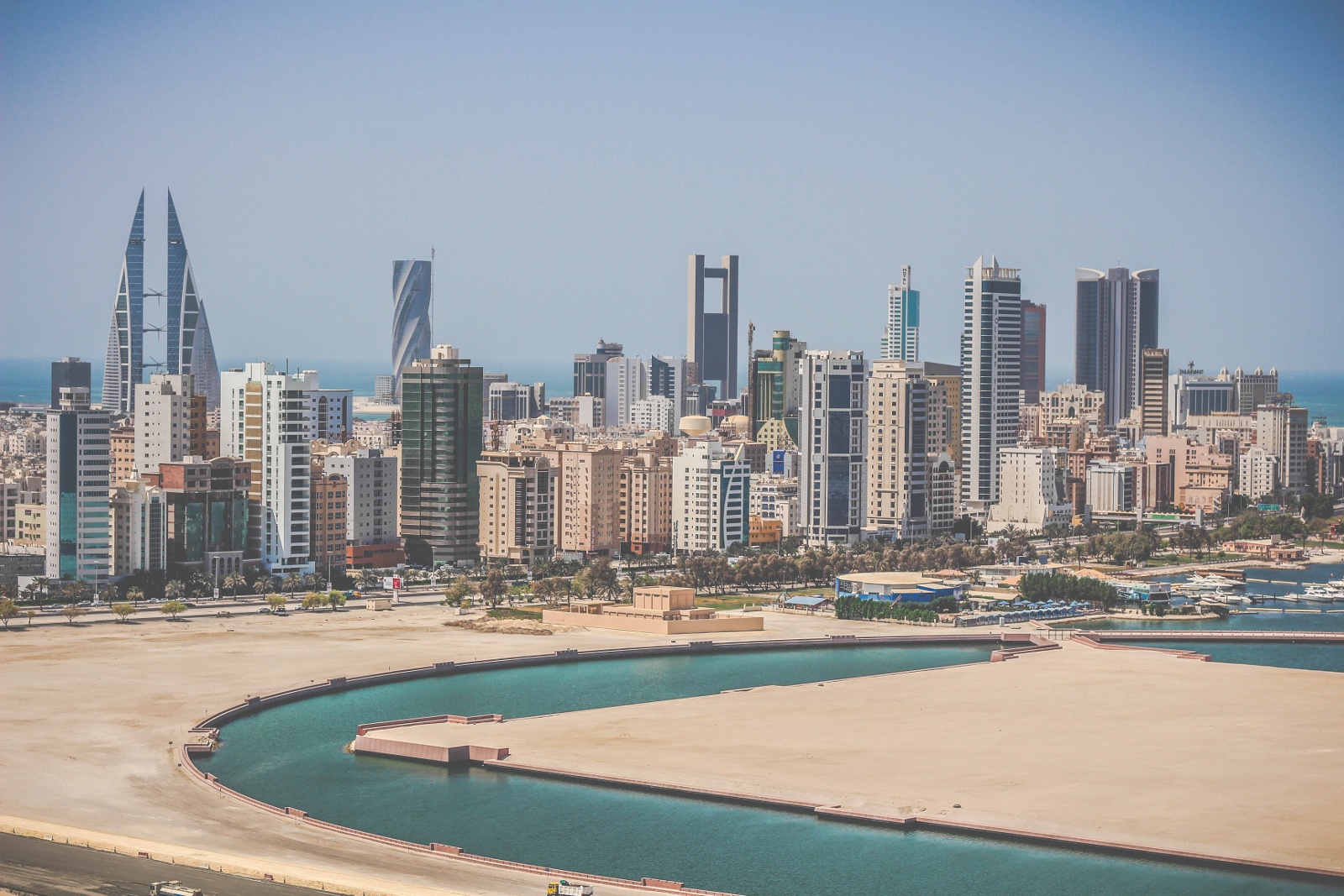
Bahrain after the Arab Spring
This article asks why Bahrain’s Arab Spring uprising failed to produce democratic change. It argues that the monarchy survived through repression, opposition exclusion, sectarian framing, and regional Gulf backing. The conclusion is that Bahrain illustrates authoritarian reconsolidation: formal institutions remained, but political space became more closed.
-

Morocco’s Dual Strategy of Control
Main question: Why has Morocco experienced renewed youth-led protest (GENZ212) more than a decade after the Arab Spring, despite formal political reform and institutional stability? Argument: Morocco’s post-2011 stability is the result of a dual process of top-down reforms and repression Conclusion: The GENZ212 protests are not a new phen but the re-emergence of unresolved…
-
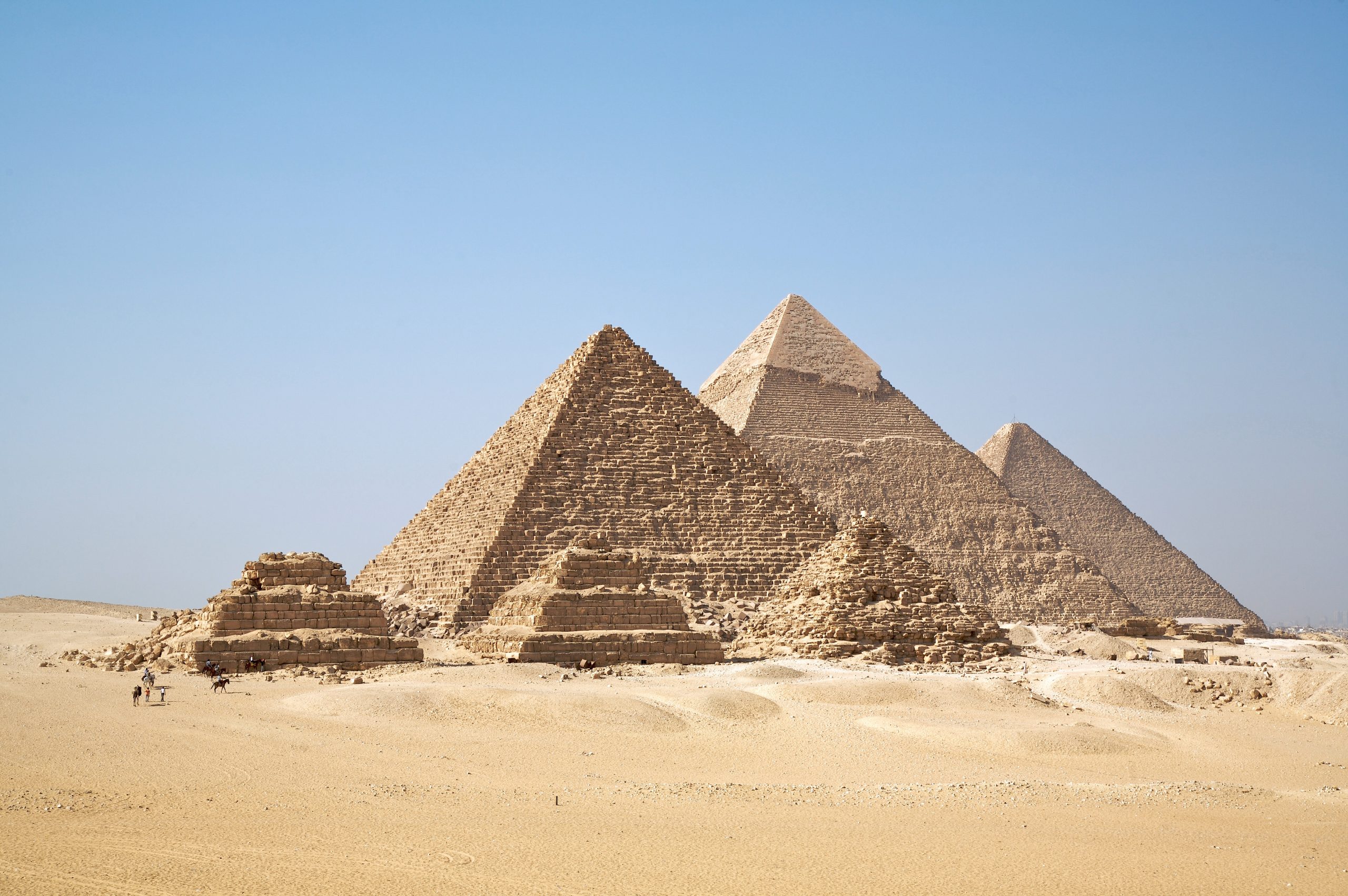
Surviving the Spring
Show moreShow lessMain question: How did Egypt’s regime survive the 2011 uprising and re-emerge stronger? Argument: It did so through “compound authoritarianism” — the interaction of institutional entrenchment (military control), economic co-optation (rentier dynamics), and calibrated repression. Conclusion: Regime durability stems from these mutually reinforcing mechanisms, creating a structurally resilient authoritarian system beyond individual leadership.
-
Gulf Instability Strains Central Asian Neutrality
– How does the Iran war affect Central Asia’s neutrality and trade? – The conflict disrupts key transit routes, raises prices, and forces C5 states to balance ties between Iran, the US, and regional partners. – Prolonged instability will strain neutrality, pushing Central Asia to diversify trade routes and deepen reliance on alternative partners like…
-
Iran in 2026
Main question: progress of doemtic unrest and war in Iran Arguemnts: domestic unrest less important for Iran compared to War Conclusion: situation needs to be observed as it progresses
-

Middle East Maritime Security & Geostrategy
Can conventional military deterrence and naval coalitions effectively neutralize asymmetric threats from non-state actors in fractured states like Yemen? While the U.S. prioritizes trade stability and Israel enforces direct deterrence, these kinetic responses address maritime symptoms rather than the underlying political fragmentation. Lasting Red Sea security requires political stabilization; military force alone cannot resolve a…
-
South Sudan’s Potential Descent into Crisis
The main question is, how can history help us better understand and put the current 2025-2026 crisis into context. South Sudan’s stability is undermined by historic ethnic grievances, but also important to note but often left out in the discourse is by the extractive resources economic model that incentivizes leadership to use identity-based violence as…
-
Was WEF26 Truly Equipped to Address Peace?
Was WEF26 equipped to address peace given the complex geopolitical structures and tension around Greenland? WEF26 was effective in terms of dialogue and de-escalation, but structurally not capable of enforcing and ensuring peace Davos can be a tool to talk about peace, but it can’t guarantee it.