Tag: Military Alliances
-
Germany’s New Military Strategy
Germany’s new Military Strategy refocuses the Bundeswehr on Alliance defence and deterrence against Russia, aiming to be Europe’s strongest conventional army. This shift aligns Germany’s threat assessment with Poland’s, but triggers Polish anxiety about competition for the US’s ‘primary ally’ status. Instead of competing for US favour, Germany and Poland should capitalize on their newly…
-
Perpetual Conflict and European Security
Russia presents a challenge to European security with no clear answer. Baltic states viewed Russia as an immediate threat, whilst western states appeared more cautious and strategically uncertain. Concerns over weakening US commitment exposed growing divisions within the NATO alliance. The conference suggested that European security remains characterised by strategic drift and unresolved disagreement over…
-

PDSF 2026
Main question: How can sovereignty be protected in a volatile, disrupted world? Argument: Power now depends on resilience, partnerships, chokepoints, and institutions able to challenge their own assumptions. Conclusion: Sovereignty today cannot mean isolation; it requires strong alliances, diversified dependencies, diplomacy, and honest debate.
-
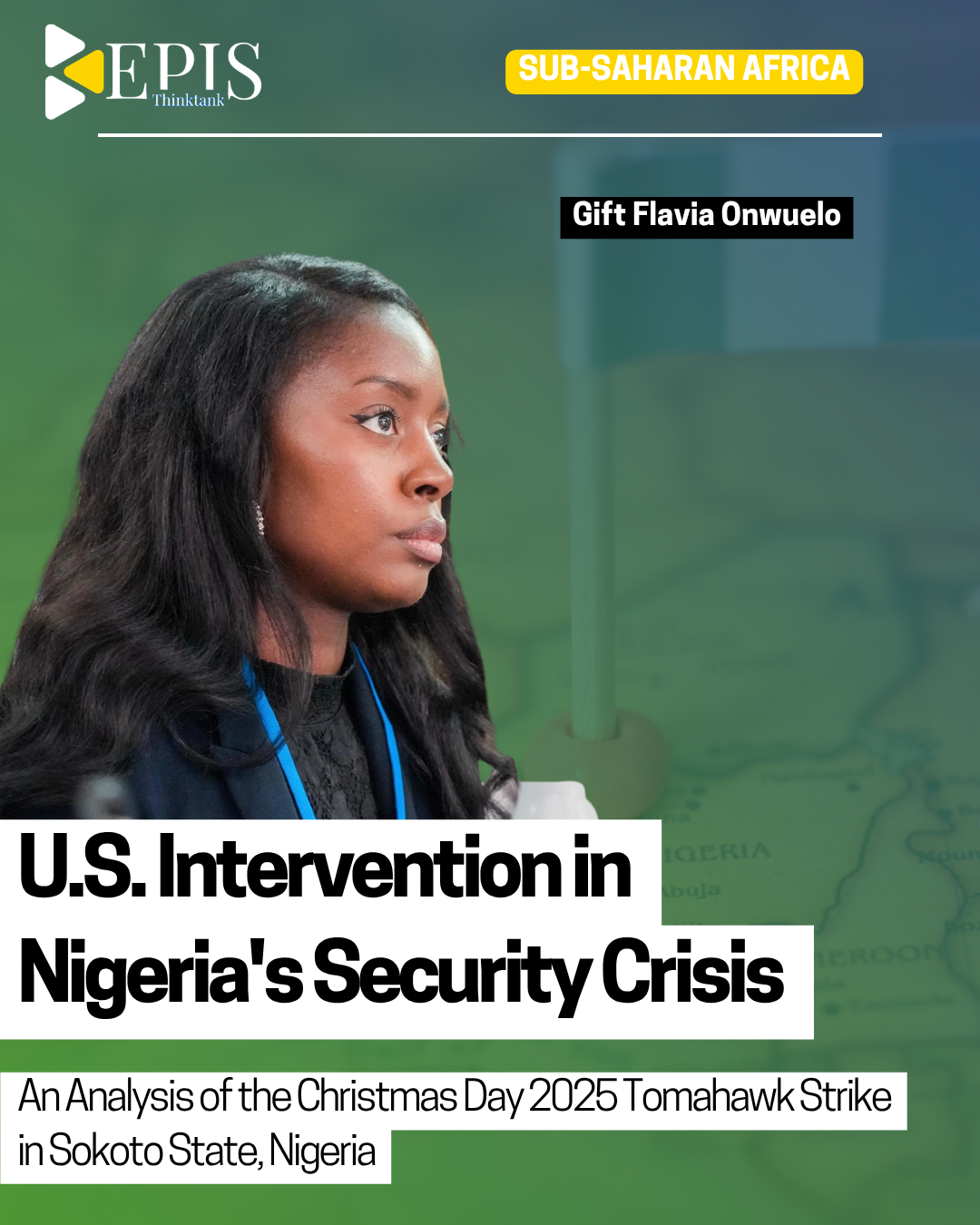
U.S. Intervention in Nigeria’s Security Crisis
The Christmas Day 2025 US missile strike was far more contested than the official narrative suggested The US had multiple motivations beyond counterterrorism Military action alone cannot resolve Nigeria’s security crisis
-
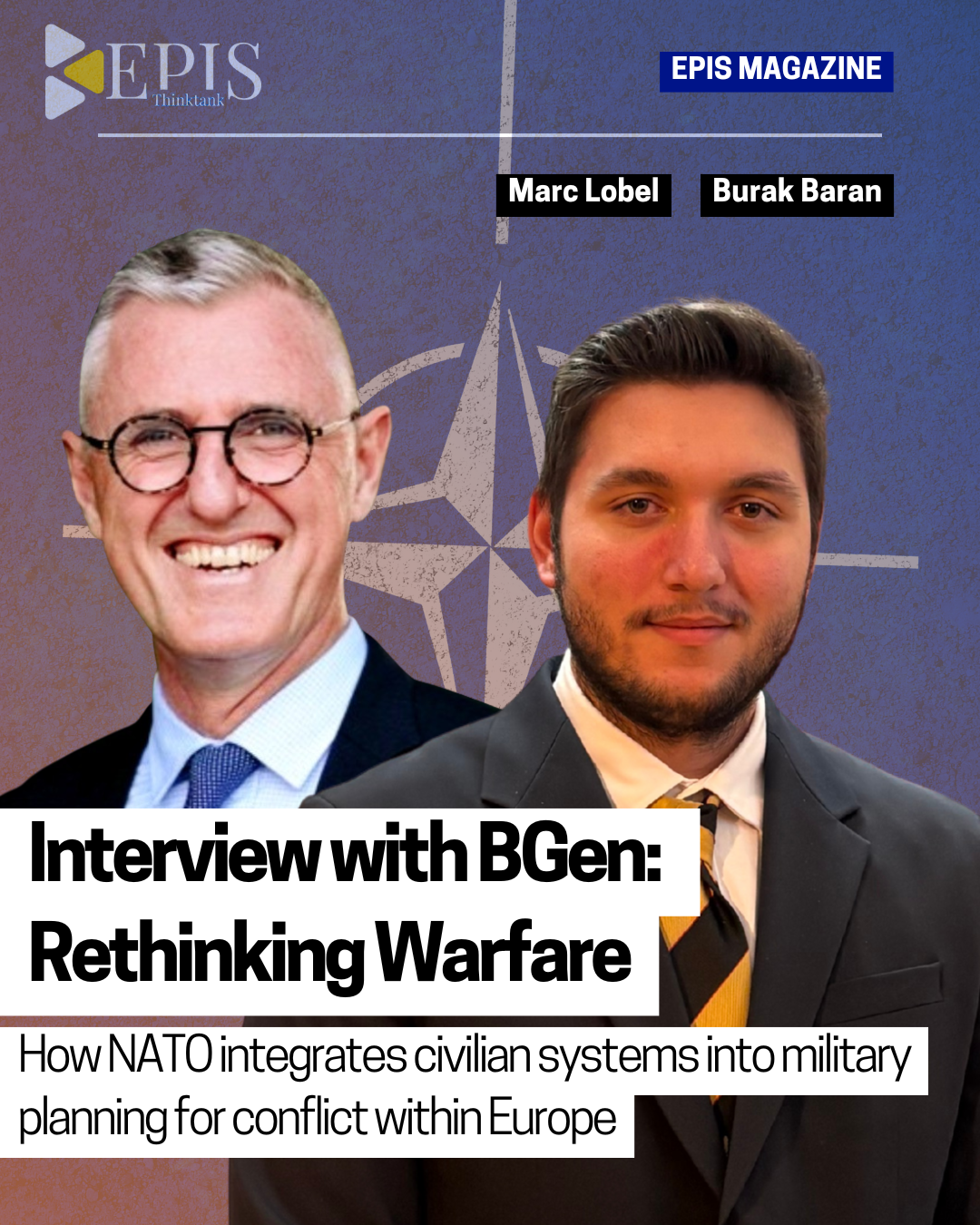
Interview with BGen Lobel: Rethinking Warfare
War has shifted to inside of Europe, taking place within civilian populations, infrastructure, and networks threatening the whole continent. Military success depends on civilian systems like energy, transport, and private sector logistics NATO integrates civilian and military planning to anticipate risks and ensure operational readiness
-
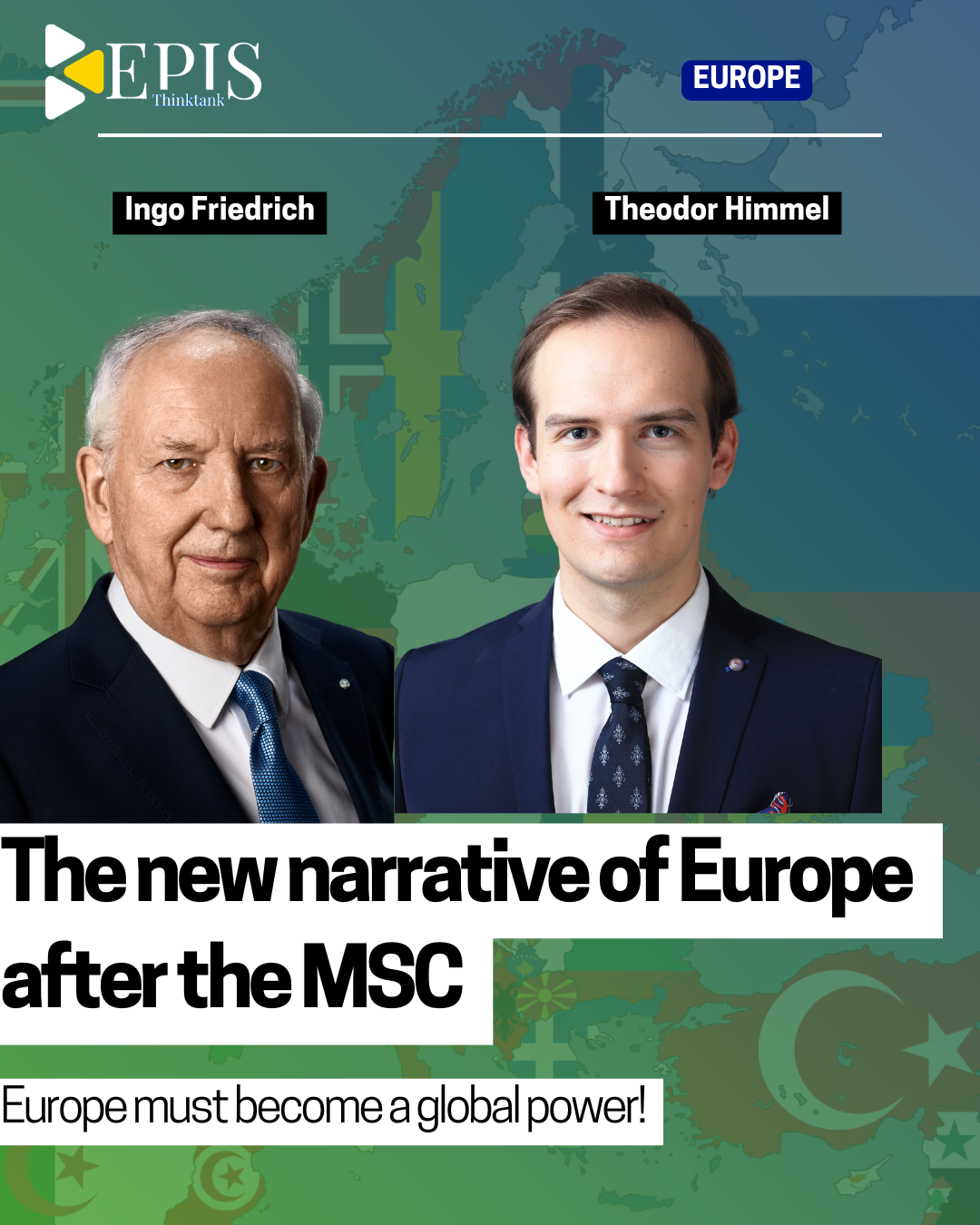
The new narrative of Europe after the MSC
Main Question: What role must Europe play following the shifts in global stability highlighted by the Munich Security Conference? Argument: Discrepancies in values with the USA and threats from Russia necessitate that Europe pursues “European Sovereignty” through independent security and military integration. Conclusion: Europe must urgently implement its own crystal-clear security guarantees and standardized armaments…
-
Sovereignty vs. Security
Can the EU establish a sovereign defense force despite rigid legal hurdles and the reluctance of member states to cede national control? Since formal treaty reform is politically blocked by the requirement for unanimity, the only viable path forward is incremental integration through the Rapid Deployment Capacity. While a full European army remains a “legal…
-

Rojava at a Crossroads
What is at stake for Kurdish autonomy and the institutionalised project of women’s resistance in northern Syria as the Syrian government reasserts control?The Syrian Transitional Government’s push to regain authority threatens the Kurdish-led administration, particularly its gender-equal governance model and the YPJ, both central to the Rojava project. Without sustained international support, the feminist achievements…
-
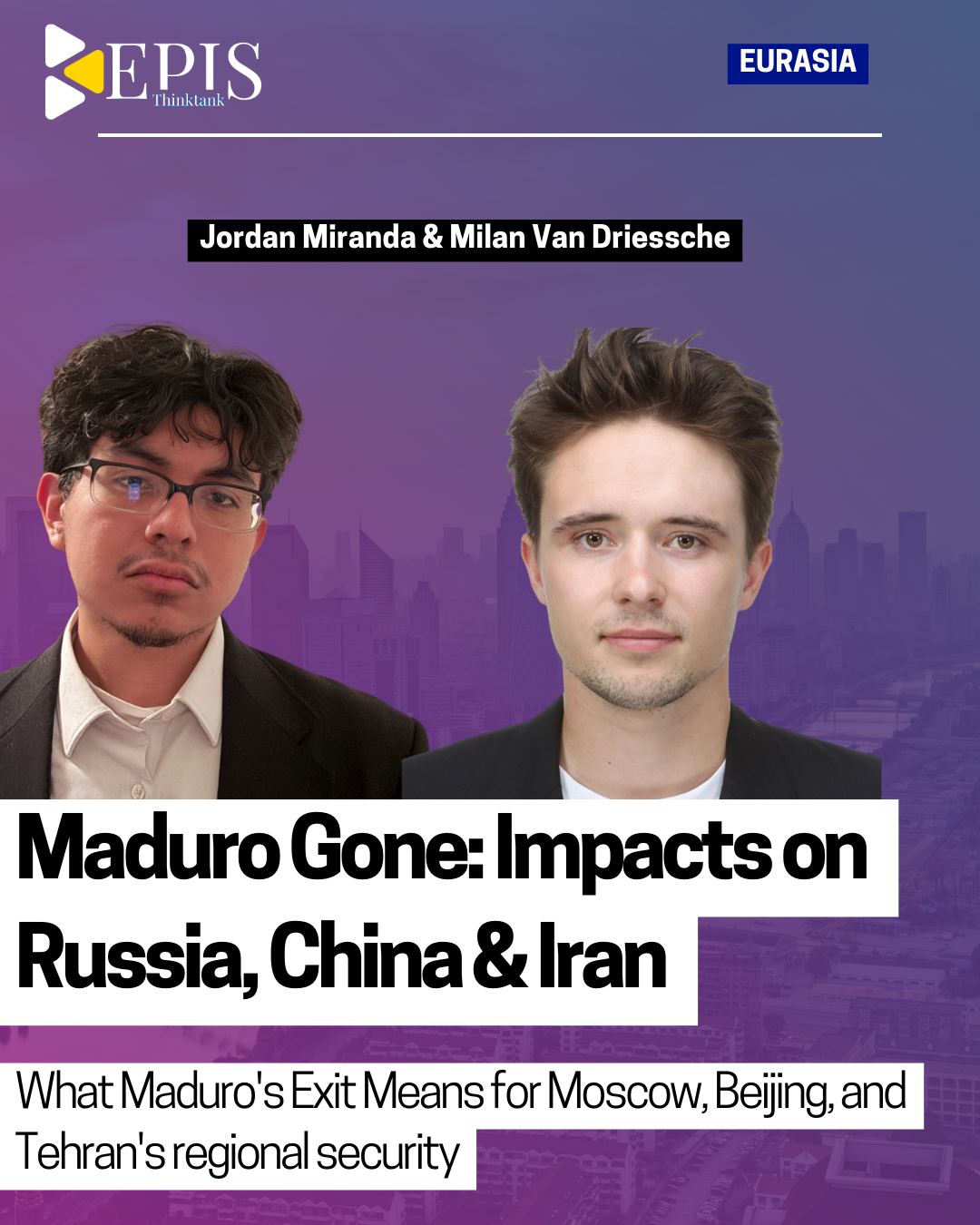
Maduro Gone: Impacts on Russia, China & Iran
How does Maduro’s removal reshape the strategic positions of Russia, China, and Iran in their respective regions? Each nation faces the threat of American resources being allocated to the Indo-Pacific, Middle East, and Eastern Europe as Russia, Iran, and China face military and diplomatic losses. While none lose complete leverage, all three must recalibrate strategies…
-
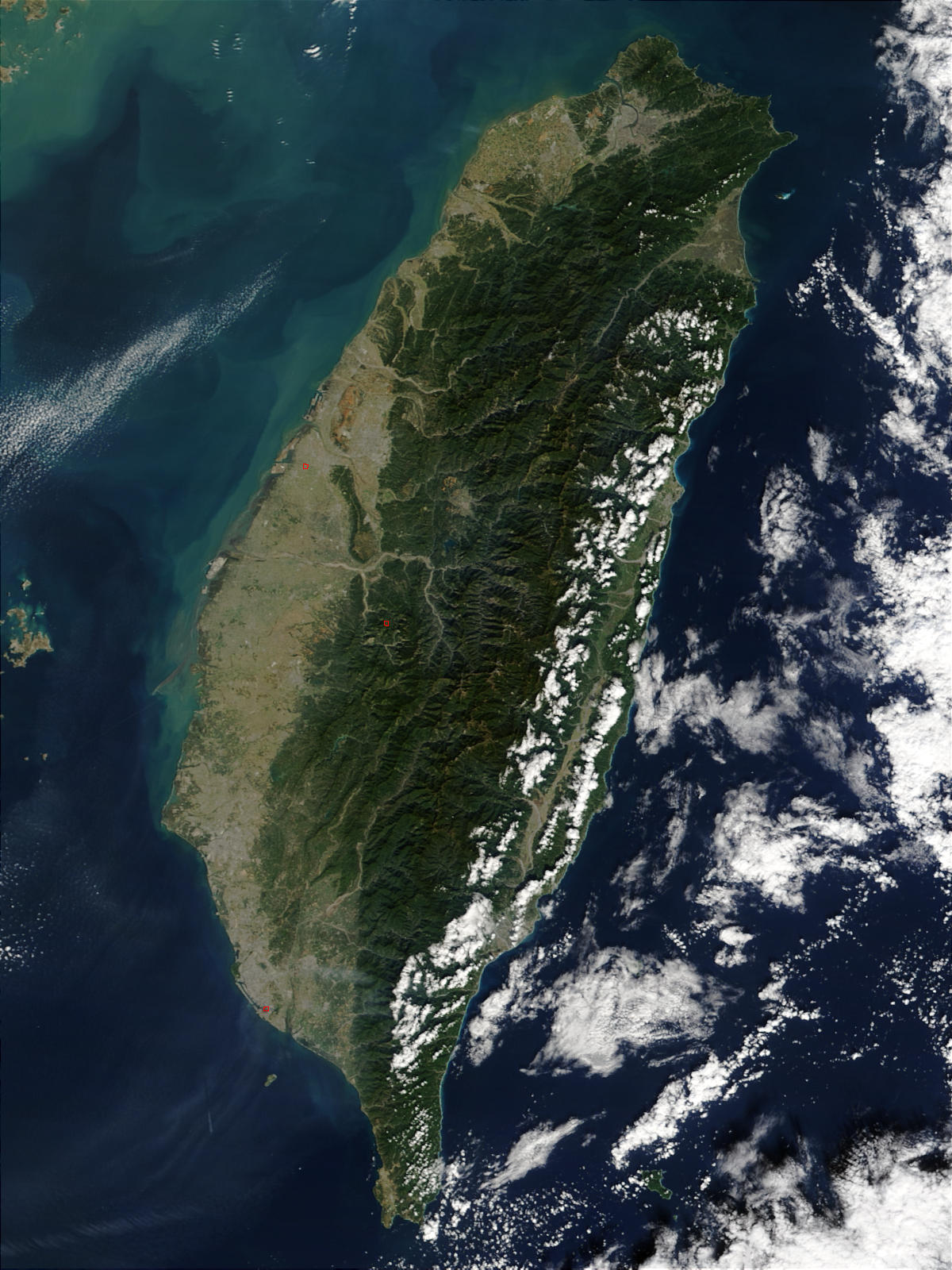
How History Informs Ideas of Taiwanese Sovereignty
How have historical experiences shaped competing ideas of Taiwanese sovereignty, and why does this history continue to structure contemporary cross-Strait tensions? The article argues that Taiwanese sovereignty cannot be understood as a purely legal or contemporary political question. The persistence of the Taiwan question reflects the collision of historical memory, identity formation, and great-power rivalry…