Tag: Trade Policy
-

Dollar Dominance: The Fed’s Geopolitical Shadow
Main Question: How does Fed monetary policy shape US geopolitical power, and what does the Powell-to-Warsh transition mean for dollar dominance? Argument: The dollar’s reserve status turns every Fed decision into a geopolitical event, enabling financial sanctions while keeping BRICS alternatives marginal. Conclusion: Warsh’s hawkish instincts can reinforce dollar credibility, but ultimately, his goal is…
-
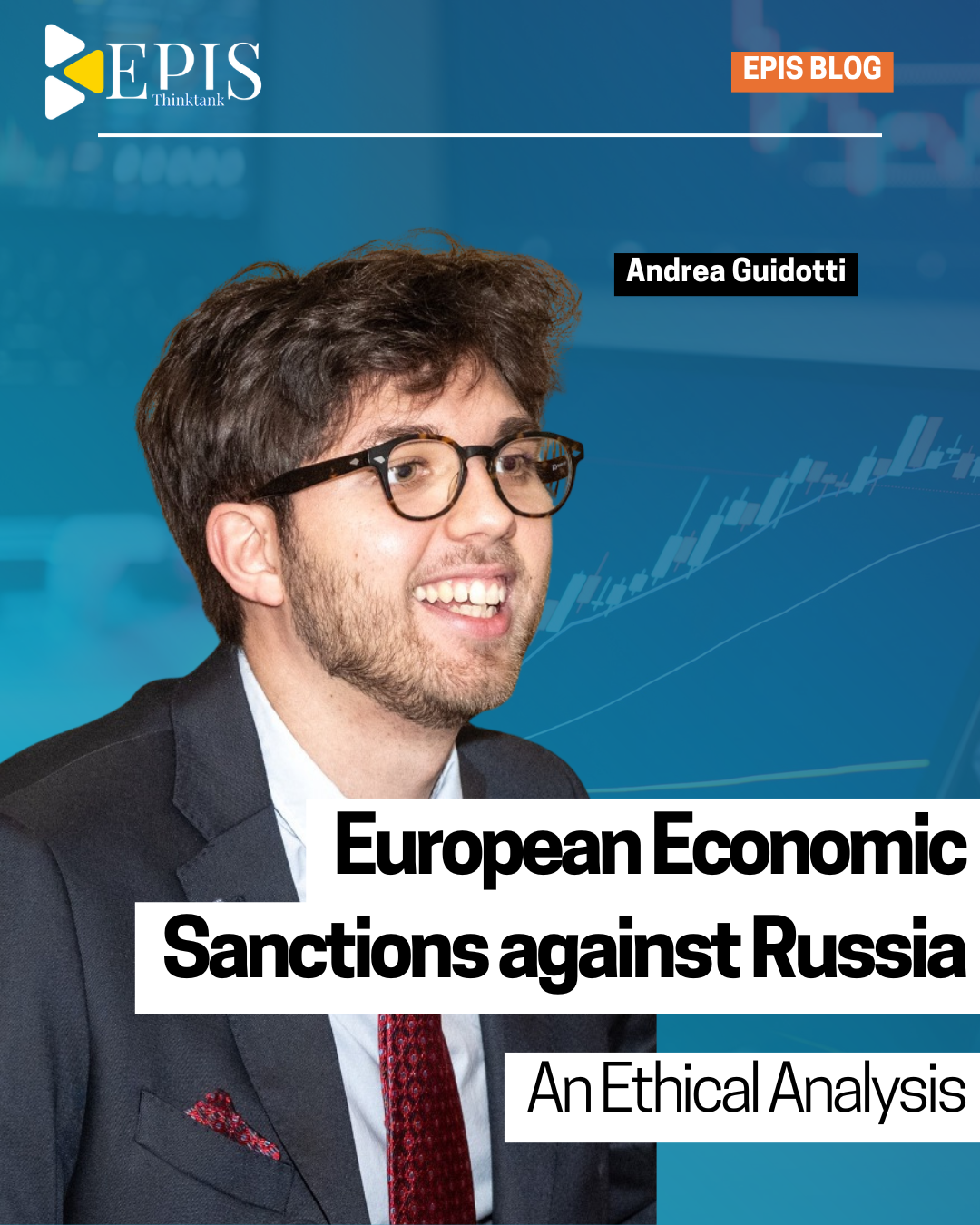
European Economic Sanctions against Russia
In the world of international diplomacy, sanctions have emerged as the weapon of choice for nations seeking to punish, pressure, or paralyze their adversaries. This article briefly summarizes the ethical background of economic sanctions, viewed as a punitive tool of statecraft. Building on insights from the field of applied ethics, it explores the moral and…
-

Who Speaks for Mercosur?
Main question: Who gets to speak for Mercosur in the EU–Mercosur deal? Argument: In Brazil and Argentina, the deal is filtered through elite mediation, not neutral state interest. Agribusiness, export coalitions and investor-confidence politics shape how integration is framed. Conclusion: The agreement is as much about representation and power as it is about trade.
-

Supply Shock: Why is Gas so Expensive?
1) Why does a supply shock impact gas prices? 2) Changes to oil production capabilities affect the oil supply and its prices. 3) A supply shock creates short-term or long-term changes to oil supply and prices that affect consumer spending and activity.
-

Petrodollar
Petrodollar describes how Gulf oil is exchanged for US Security. The Petrodollar has helped establish the USD as a global reserve currency. Iranian retaliatory strikes against the Gulf states threaten the petrodollar.
-

Navigating Uncertainty
To what extent has Trump’s return accelerated the EU’s trade diversification strategy? This article argues that rising protectionism and global fragmentation have pushed the EU to expand trade agreements to enhance resilience and reduce dependencies. However, internal political divisions limit the effectiveness of this strategy.
-

European Union–India Agreement
How a large-scale trade deal will reshape global commerce? Reducing tariffs and expanding cooperation in goods, services, and mobility will strengthen market access and economic integration. Success depends on ratification and effective handling of regulatory, environmental, and sector-specific concerns.
-

Missing: The Institutional Pillars of the SIU
Europe’s Savings and Investment Union will remain incomplete under the current Commission proposals because key institutional pillars are missing. The lack of a coherent European securities supervision and the absence of a common safe asset continue to hinder the integration of EU capital markets. Strengthening these foundations through a genuinely European approach is essential to…
-

Uniting technology partnerships with outer space
1. Can economic partnerships between the US and Gulf states based on technological exchange be broadened to incorporate space technologies and joint strategy? 2. There are already several joint partnerships and ventures between the parties emphasising space defence, technological interoperability, etc. 3. The main challenge remains in terms of ensuring national security interests are met…
-
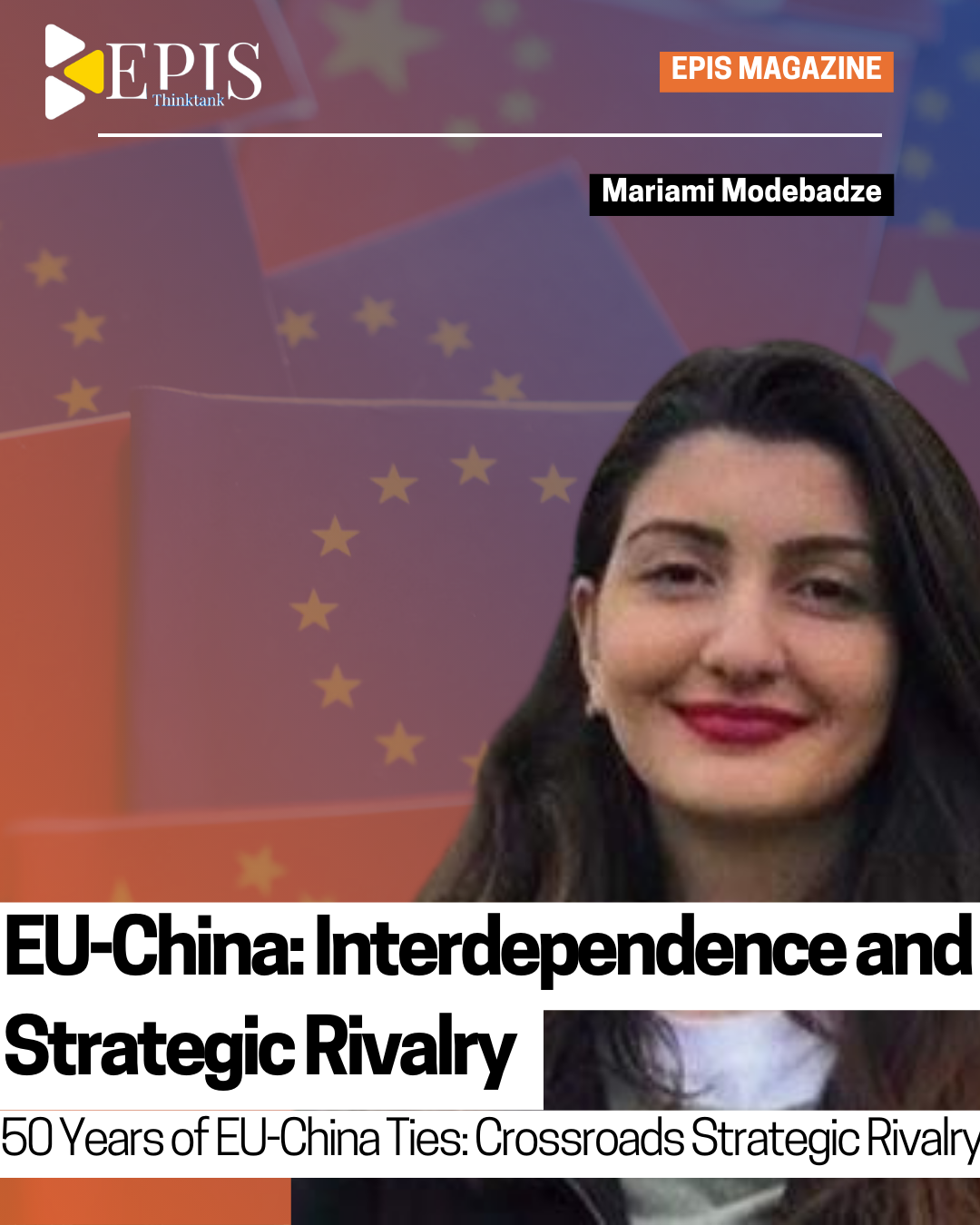
EU-China: Interdependence and Strategic Rivalry
Main Question: How have 50 years of EU-China relations evolved amid economic interdependence and strategic competition? Argument: While the EU and China remain economically interdependent, China’s growing power and geopolitical ambitions have shifted the relationship toward rivalry, creating imbalances and risks. Conclusion: The EU must adopt a comprehensive de-risking strategy to safeguard economic security while…