Tag: Trade Policy
-
When the EU Tests the Limits of the EEA
What does the EU’s first-ever use of Article 112 against Norway reveal about the limits of the EEA model? The tariffs reflect a broader shift towards a more interventionist EU trade policy, exposing how EEA market access can become conditional in times of economic pressure. As the EU increasingly uses safeguard measures to protect strategic…
-

Diversifying Eastward
How can the EU use trade relations with ASEAN to diversify its economic ties and reduce strategic dependencies amid growing geopolitical competition? EU–ASEAN trade remains uneven, with Singapore and Vietnam dominating current exchanges, while Indonesia’s economic potential has been underutilised. Deepening EU–ASEAN trade can strengthen European strategic autonomy, but only if trade policy is embedded…
-
India’s New Trade Playbook with Europe
What do the contrasting India–EFTA TEPA and India–EU FTA negotiations reveal about India’s evolving trade policy? The TEPA’s rapid conclusion versus the EU FTA’s long deadlock shows India’s shift from defensive multilateralism to pragmatic, investment-led bilateralism that prioritises industrial goals over tariff cuts. India is not rejecting globalisation but reshaping it, opening selectively on its…
-
Conclusion: Trade Wars
Question: How do trade wars reshape the global economy, and how can states respond? Argument: Trade wars disrupt supply chains, raise prices, and drive economic nationalism, requiring diversification, digital innovation, and multilateral cooperation. Conclusion: Managing trade wars needs flexible, strategic, and cooperative approaches to sustain stable and open global trade
-
Policy Recommendation: Trade Policy
Question: How do trade wars impact global economics, and how can states respond? Argument: Trade wars disrupt supply chains, raise prices, and weaken multilateral institutions; mitigation requires diversification, digital standards, and multilateral trust. Conclusion: States can reduce trade war risks through diversified trade, anti-coercion measures, tech agreements, and multilateral engagement
-
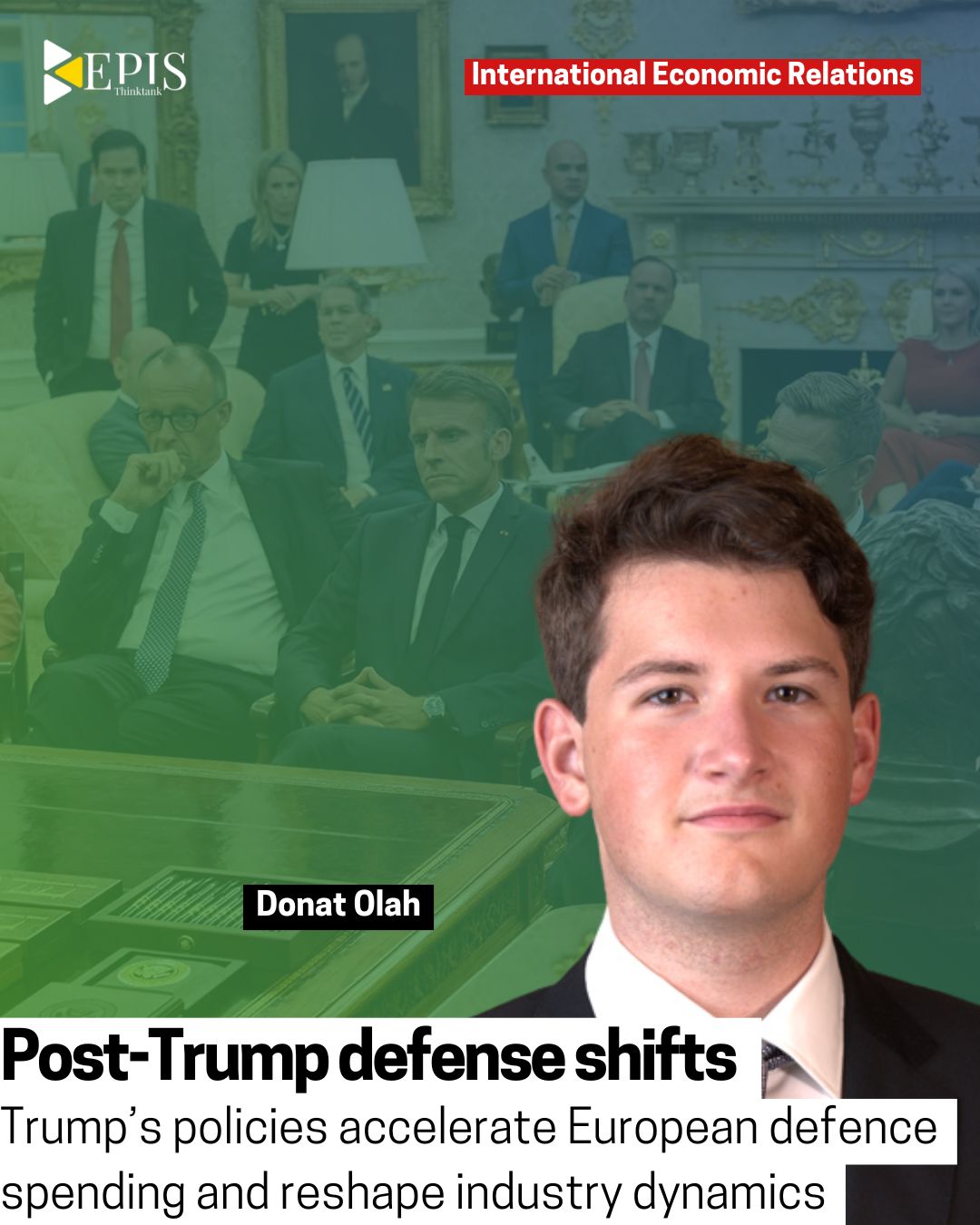
Post-Trump defense shifts
Question: How did Trump’s policies affect Europe’s defense industry? Argument: “America First” pushed Europe to spend more and seek autonomy, helping local contractors Conclusion: Growth continues, but supply chain and budget limits remain
-
Impact of Tariffs: Indo-Pacific Trade Agreements
Question: How are tariffs used as foreign policy tools in the Indo-Pacific? Argument: Tariffs now signal political intent, reshape supply chains, and interact with FTAs like RCEP and CPTPP amid geopolitical rivalry. Conclusion: They drive selective integration, strategic realignment, and regional technological competition.
-
Tariffs: Domestic Costs, Global Repercussions
Question: How have U.S. tariffs since 2018 impacted inflation and global markets? Argument: Meant to protect industries, tariffs raised costs, pushed up consumer prices, disrupted supply chains, and provoked retaliation. Conclusion: Protectionism offers short-term political wins but fuels inflation, harms trade, and destabilizes markets.
-
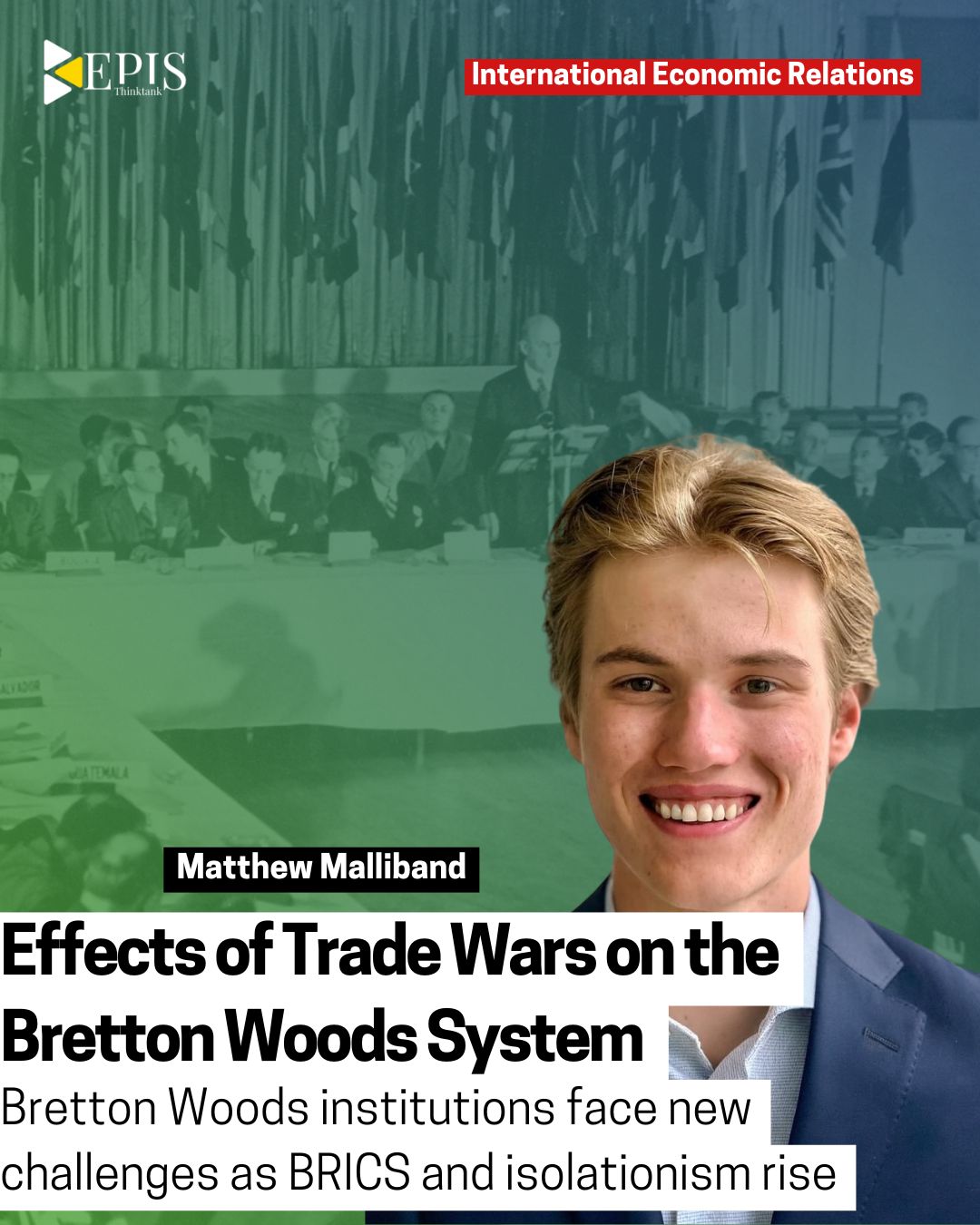
Effects of Trade Wars on the Bretton Woods System
Question: How have Bretton Woods institutions adapted to new economic realities? Argument: Once stabilizing post-war economies, the IMF, World Bank, and WTO now face declining trust amid Western isolationism and rising BRICS influence. Conclusion: Global economic governance is fragmenting, requiring policymakers to plan for long-term geopolitical and economic shifts.
-
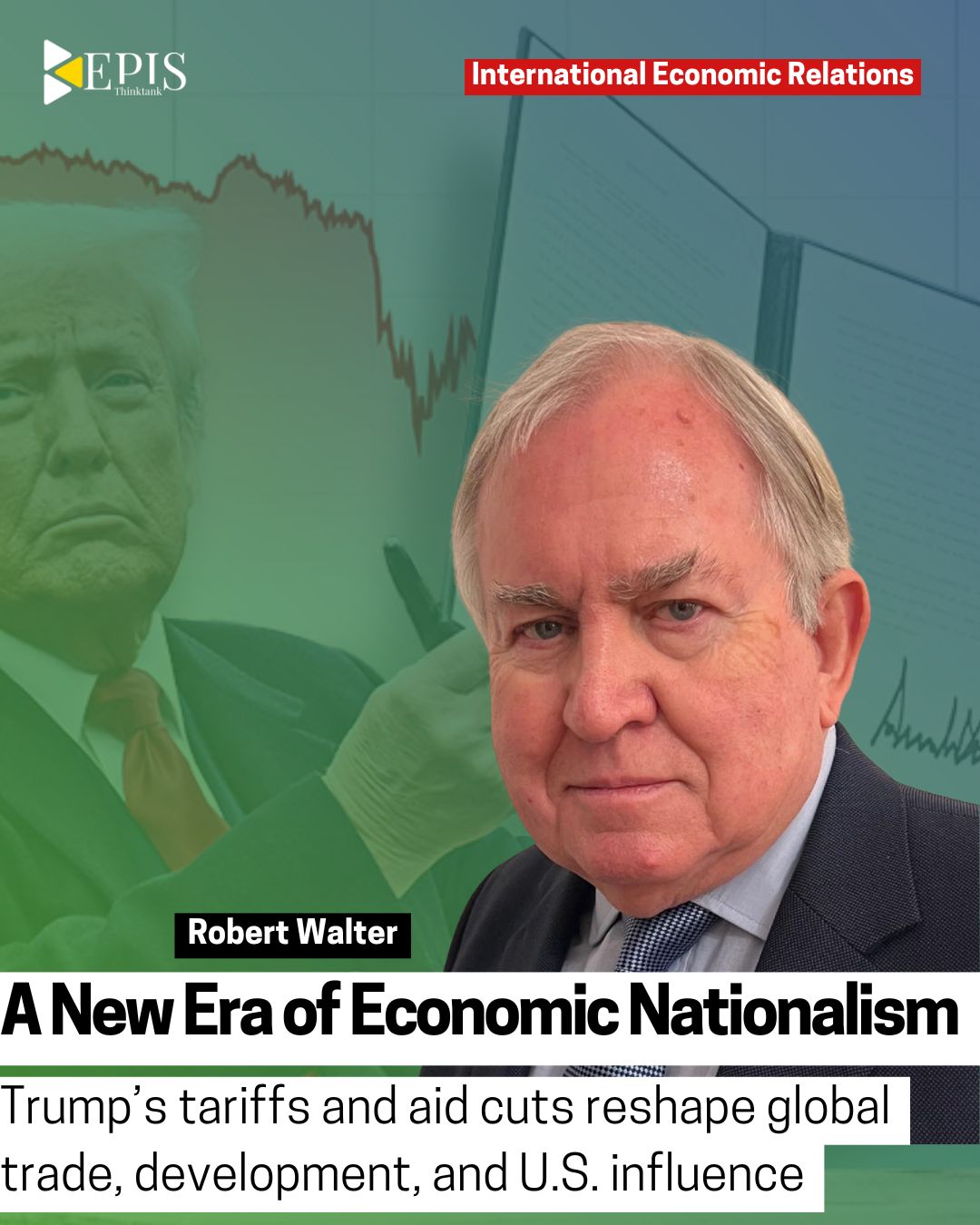
A New Era of Economic Nationalism
How do Trump-era tariffs and foreign aid cuts reflect economic nationalism and impact the global order? Tariffs and aid reductions, though aimed at protecting U.S. interests, have slowed growth, hurt supply chains, undermined global development, and weakened U.S. influence abroad. Economic nationalism comes at high costs; interconnected global systems and cooperation remain vital