Tag: Arms Control & Disarmament
-
Security Dilemma
According to the Security Dilemma, if one state increases its security capabilities, this simulataneously reduces the security of another. Consequently, security-increasing measures lead to a cycle of increased tensions, escalations, or conflicts. This occurs because it is hard to know about other states’ intentions: Do they simple gear up their defence capabilities or are they…
-
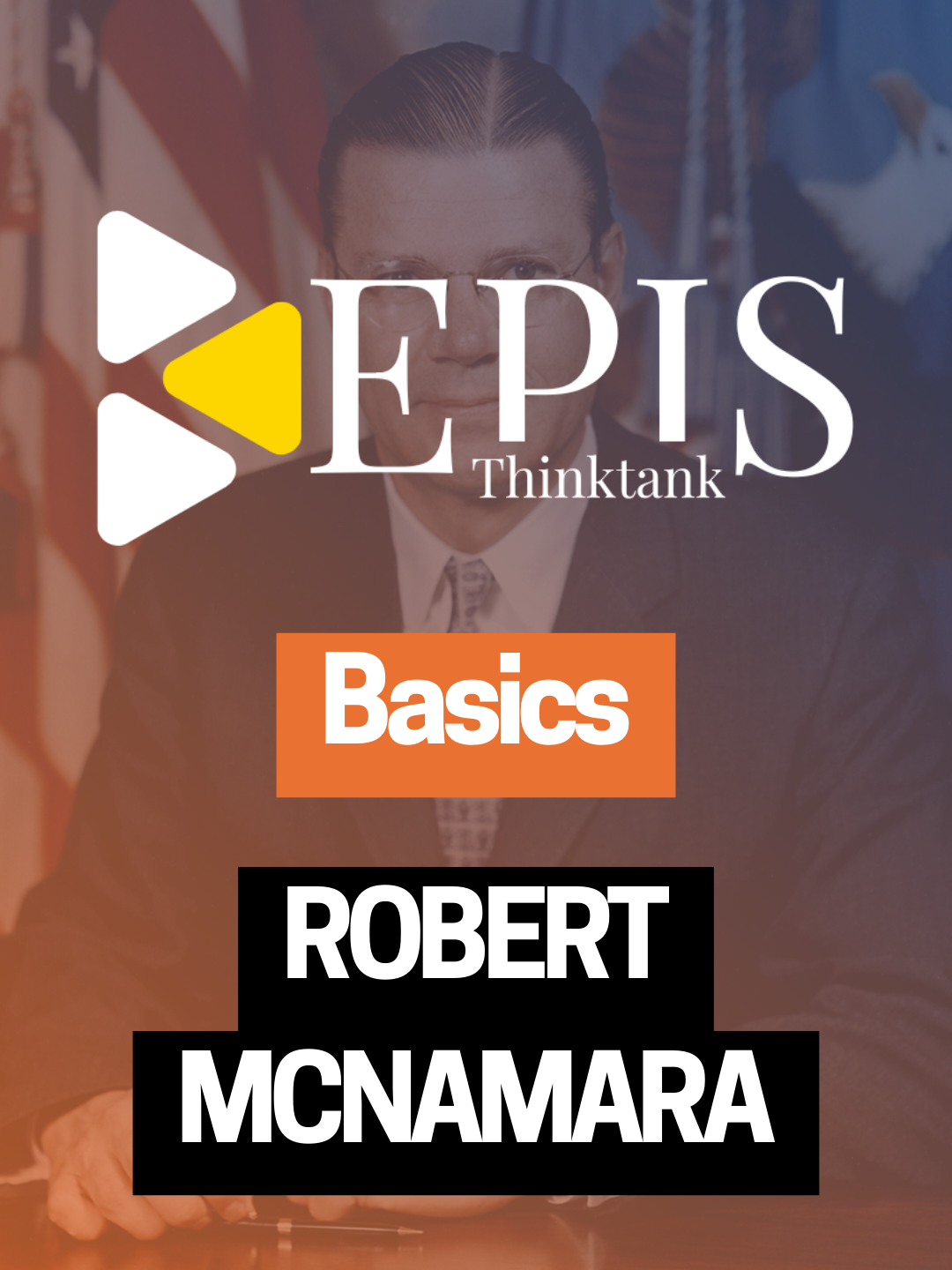
Robert McNamara
Under Kennedy and Johnson, McNamara was US Secretary of Defense. During the Cuban Missile Crisis, McNamara was part of the US Executive Committee, which governed US decision-making. Supporting the Domino Theory, McNamara later oversaw the US engagement in the Vietnam War. Despite being labelled the architect of the Vietnam War, McNamara later expressed regret for…
-
Nuclear Sharing
Turkey, The Netherlands, Belgium, Italy, and Germany participate in NATO’s nuclear sharing. The participating countries have US nuclear weapons stationed on their territory. In case of war, planes from the respective allied air forces will deliver the US bombs to their targets. Critics claim NATO’s nuclear sharing program may violate the Nuclear Non-Proliferation Treaty.
-
Counterforce and Countervalue
Counterforce describes the ability to conduct nuclear strikes against militarily relevant targets such as army bases. Counterforce strikes depend on smaller, tactical nuclear weapons. Countervalue describes nuclear attacks against non-military targets such as cities. In doing so, larger strategic nuclear weapons are utilised.
-

Beyond the Survivability Myth
Many misunderstand military obsolescence, assuming battlefield survivability dictates a system’s relevance. Dmytro Sochnyev attacks that myth, arguing that obsolescence stems from the emergence and availability of superior alternatives, not mere vulnerability. Through historical and modern examples, the author reveals why even “outdated” weapons persist—proving that survivability alone is not the key determinant of military evolution,…