Tag: Crisis Management
-
Caught in the Crossfire
– Personal experience from visiting Lebanon & Syria post Iran-Israel war: daily life goes on under missiles in the sky. – People care more about bread, power cuts, and safety than geopolitics. War is watched, not fought. – Hezbollah’s restraint and Syria’s fragile transition revealed more profound shifts: weakened proxies, fear among minorities, and widespread…
-
The Lion Man’s Legacy
– What will happen in Cameroon after the death of President Paul Biya? – It is unclear what will happen after the death of President Biya and there are many possible scenarios that can play out. – The question of Cameroon post-Biya is of national, regional, and international interest.
-
France’s Diplomatic Future in a Shifting World
Didier le Bret reflects on his career shaped by crises from post-Soviet transitions to the Haiti earthquake. He argues that France must combine credibility, sovereignty, and diplomacy to remain globally relevant. His call: Europe must engage the Global South and reclaim multilateralism to ensure lasting peace and equity.
-
The Untold Story of Operation Spider Web
The joint mission achieved overwhelming success, demonstrating effective operational capabilities. The Tu-95, Russia’s most numerous strategic bomber, played a crucial role in the mission. The operation highlighted the importance and effectiveness of international military collaboration.
-
EPIS Report on Security Policy & Defence Issue I
This report analyses different facets of the European security architecture and explores possible future concepts. can guide European security in a time of geopolitical conflict.
-

Lessons from the European Police Congress
1. Artificial intelligence, in conjunction with OSINT, is supercharging policework. 2. Drones, once primarily used by hobbyists and military personnel, are increasingly finding a role in police forces across the world. 3. Other more traditional technological advances (vehicles, armor, weaponry) remains important, and new innovations are being made.
-
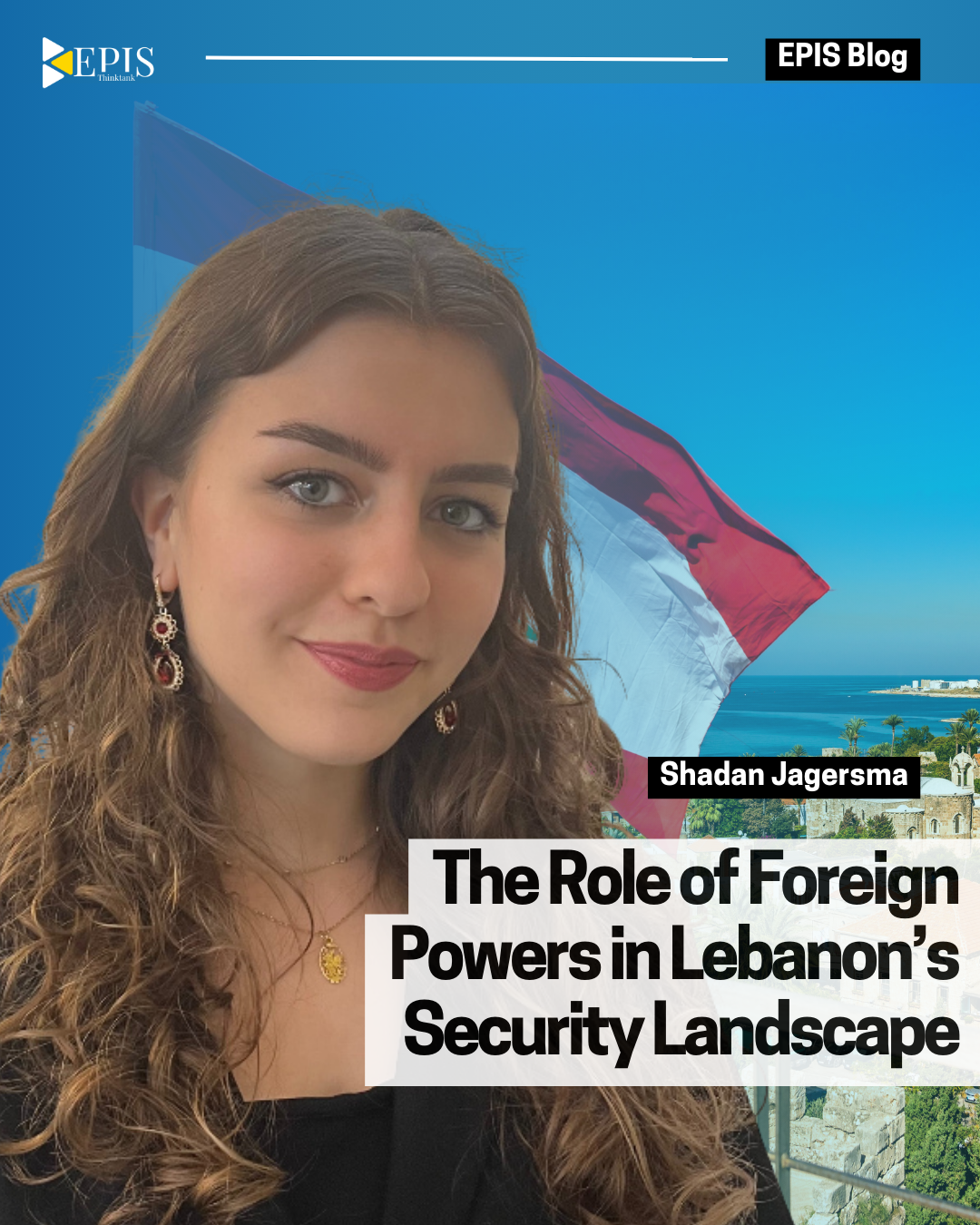
The Role of Foreign Powers in Lebanon’s Security Landscape
How do foreign powers shape Lebanon’s security landscape? From Iran’s military entrenchment to Western and Gulf states’ strategic maneuvers, foreign actors have long influenced the country’s fragile equilibrium. As regional dynamics shift, Lebanon’s trajectory remains uncertain. Without a unified international strategy and a commitment to long-term stability, Lebanon risks remaining a proxy battleground for geopolitical…
-
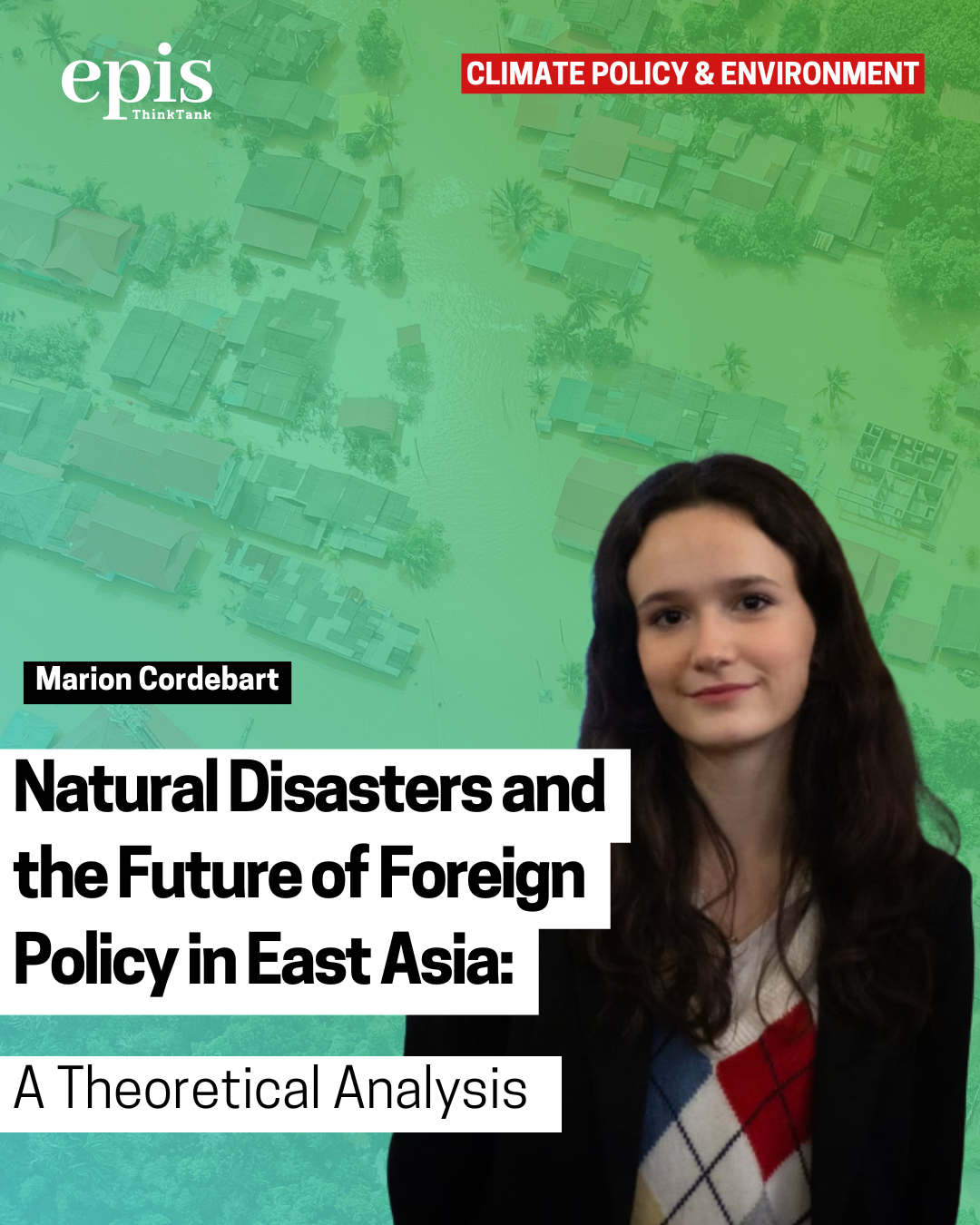
Natural Disasters and the Future of Foreign Policy in East Asia:
How can theoretical frameworks address the complexities of state responses to climate change? Liberalism highlights cooperation through interdependence, Realism emphasizes resource competition and security, Constructivism focuses on norms and historical contexts, and Public Choice reveals how political incentives shape disaster responses.These framworks can help explain East Asia’s climate strategies and informs resilient policymaking.
-
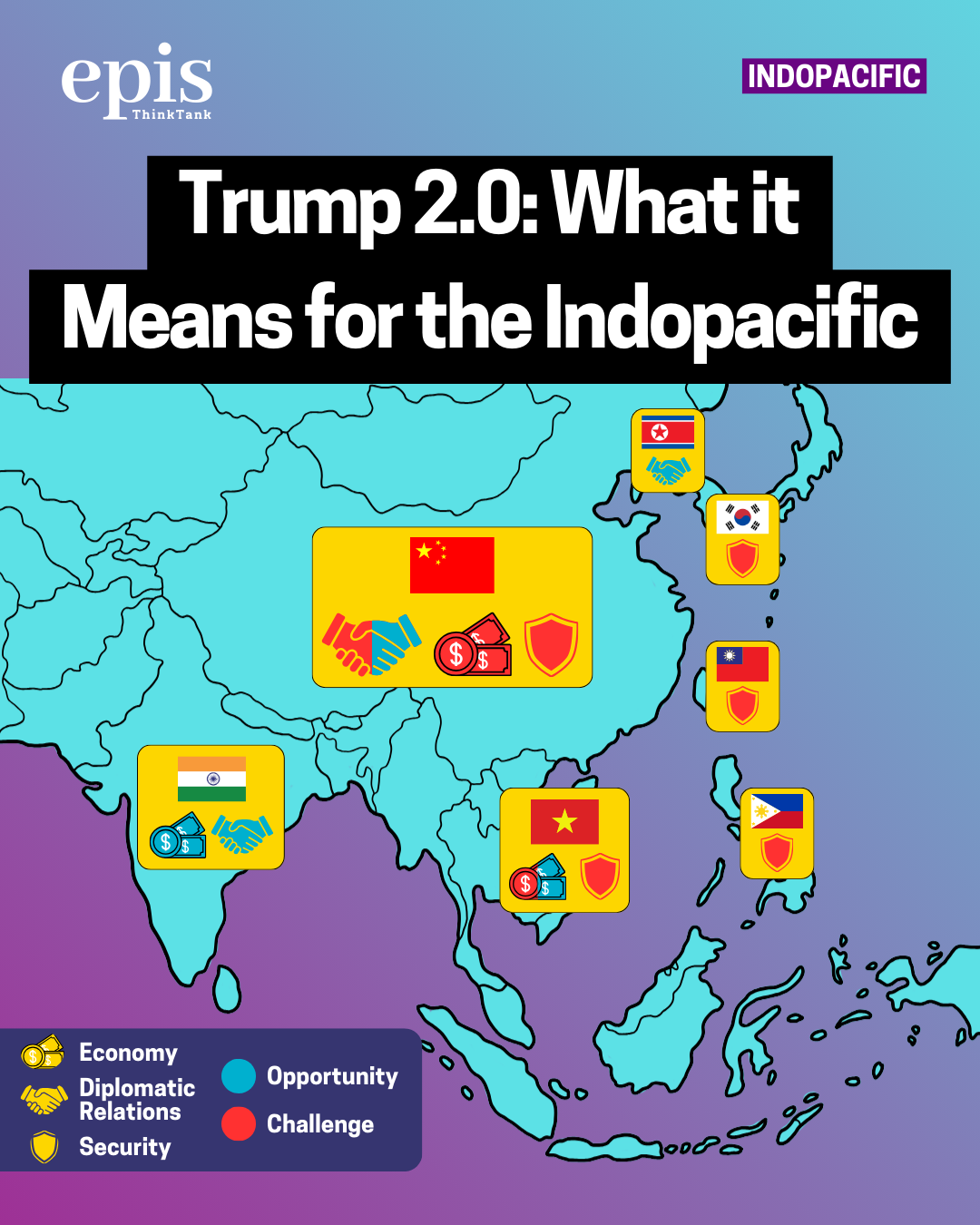
Trump 2.0: What It Means for the Indo-Pacific
1) What are the implications of Trump’s presidency for the Indo-Pacific? 2) Trump’s second term brings a mix of challenges and opportunities for the Indo-Pacific region, with implications for economy, security, and diplomatic relations 3) As Trump’s administration unfolds, countries in the region will need to adapt to his transactional approach and navigate the uncertainty…
-
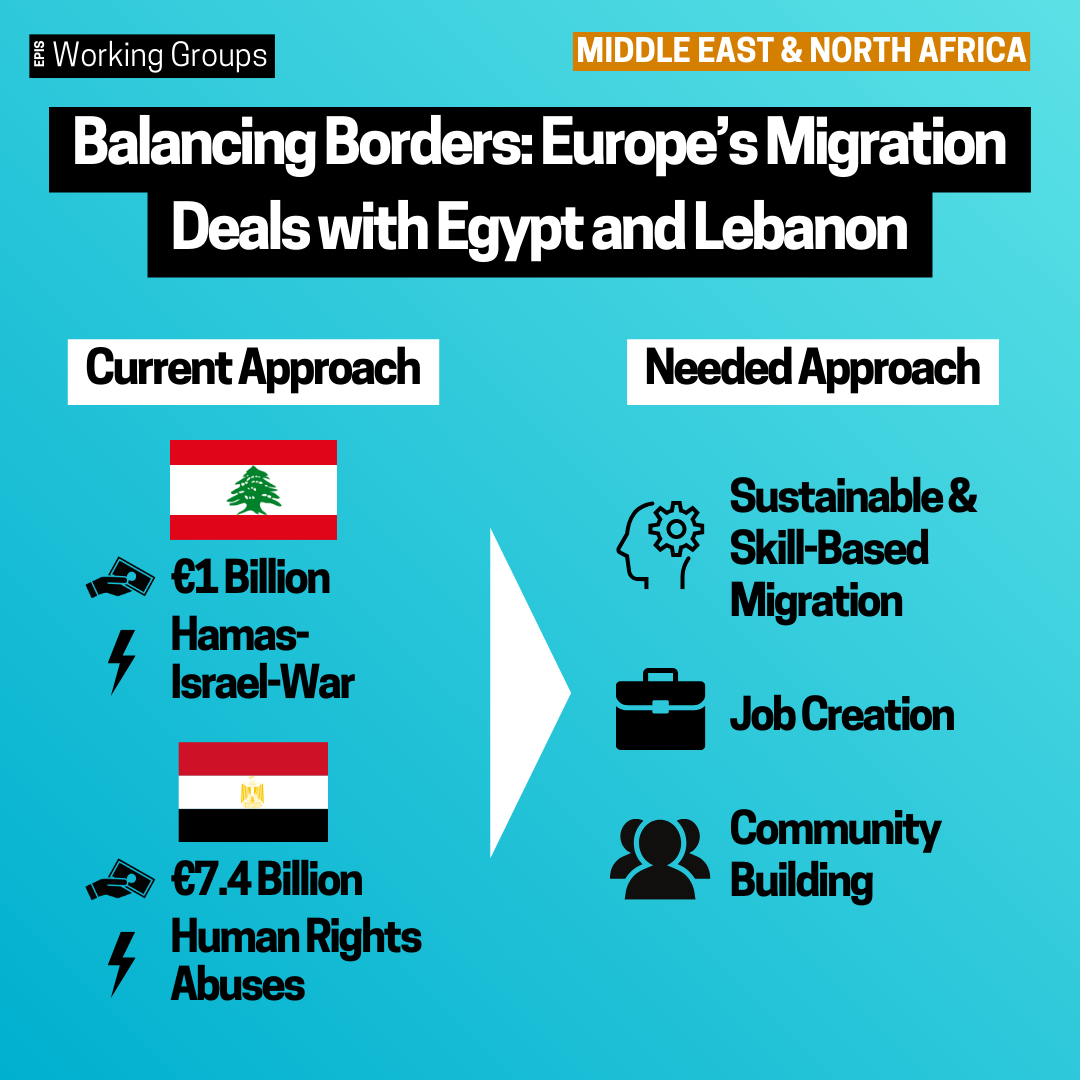
Balancing Borders
The EU’s migration deals focus on economic aid and border management, but face challenges due to regional instability.