Tag: Environmental Security
-
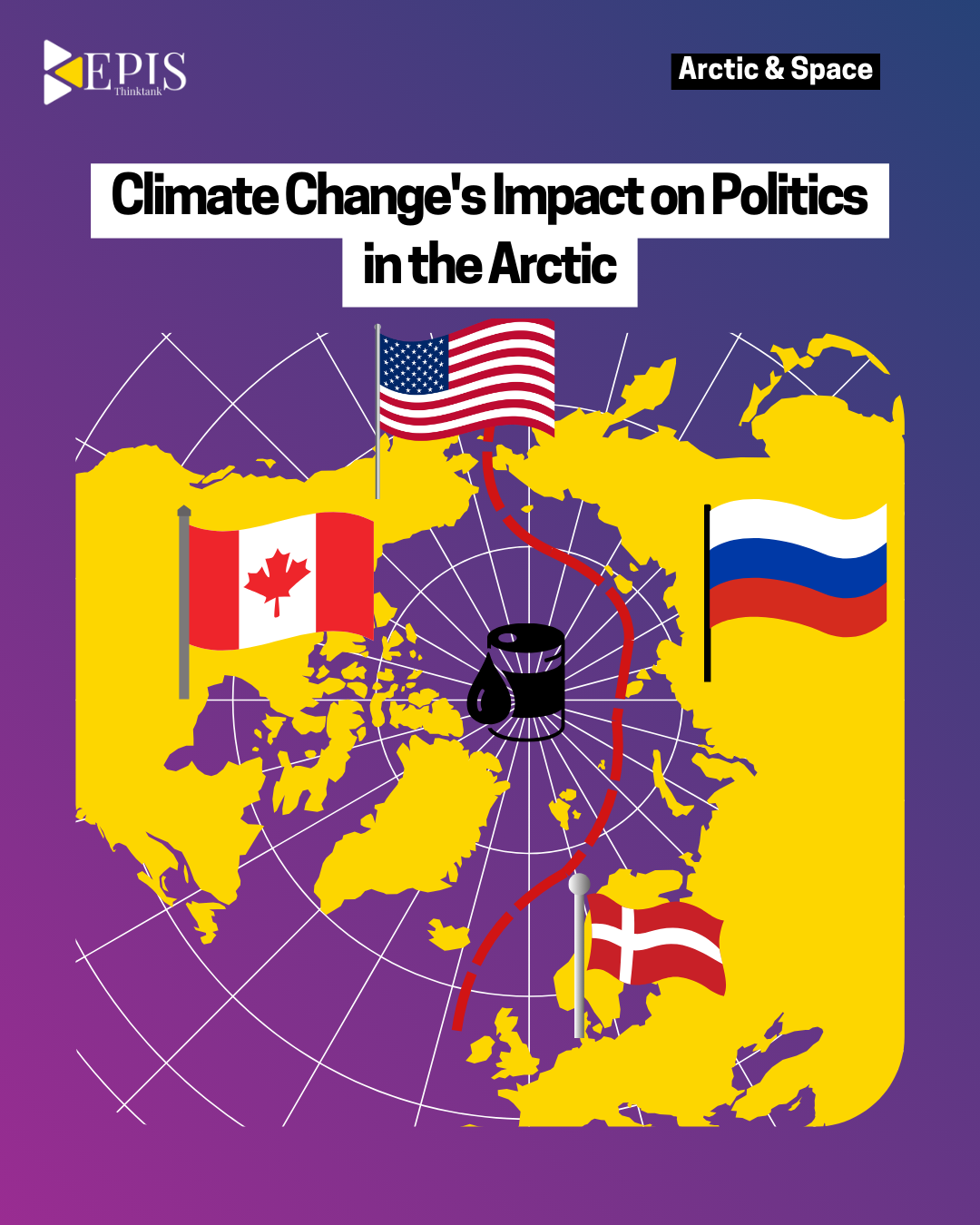
Climate Change’s Impact on Politics in the Arctic
Climate change has a significant impact on economic and security issues in the Arctic; the aim of this brief is to shed light on this. Climate change opens up new sea routes, changes the accessibility of resources in the Arctic, but also threatens existing infrastructure. In addition, the increasing extraction of resources in the future…
-

Climate in Security
1. Main question: What is the effect of climate change on European security, and how prepared is the EU? 2. Argument: Climate change poses serious security risks to the EU—from infrastructure damage and mass migration to geopolitical shifts—yet the Union remains underprepared. 3. Conclusion: The EU must invest in mitigation, aid vulnerable nations, and strengthen…
-

Greetings from Eurodefense: Climate Change Report Issue I
Climate change is now globally recognized as a proven fact, marked by rising temperatures and increasing frequency and intensity of extreme weather events. Climate change creates interconnected environmental, social, economic, and political challenges, such as threats to ecosystems, climate-induced migration (climate refugees), and the need for new production, energy, and governance models. Global responses involve…
-

Drones as a Two-Edged Sword in Disaster Management
What role do Drones play in India’s Disaster Management and why could this be considered problematic? The same data-gathering capabilities that make drones such an effective tool in disaster management also pose significant privacy and security risks. The challenge lies not in rejecting new technologies but in learning to use them responsibly.
-

Natural Disasters and Conflict: An Uneasy Relationship
How do international relations influence the aftermath of natural disasters in South and East Asia, especially migration and conflict? Climate change intensifies natural disasters, leading to displacement and resource competition, which can escalate conflicts. A holistic approach combining disaster prevention, conflict resolution, and policy reform is critical for resilience.
-
The Role of Social Networks in Disaster Response
How do social networks enhance disaster response and resilience? Social networks facilitate rapid communication, resource sharing, and coordination between communities and institutions. Social Network Analysis (SNA) identifies key actors and optimizes disaster management. Addressing misinformation, the digital divide, and trust issues is vital to fully leveraging social networks for resilient and equitable communities.
-
Natural Disasters and National Security:
Does the increase in natural disasters pose a military or security threat, especially in regions with delicate political climates? I write about the case of North and South Korea, examining how increasing weather events are affecting their respective political and military strategies. In my opinion, the increase in extreme weather events poses an interesting, albeit…
-
Ripple Effects
How do natural disasters impact Asia’s trade, industry, and regional stability? Disasters disrupt supply chains, manufacturing, and agriculture, affecting economies and international relations. These disruptions expose vulnerabilities, increase dependencies, and reshape power dynamics. Investing in resilient infrastructure and cooperation transforms challenges into opportunities, enhancing stability.
-
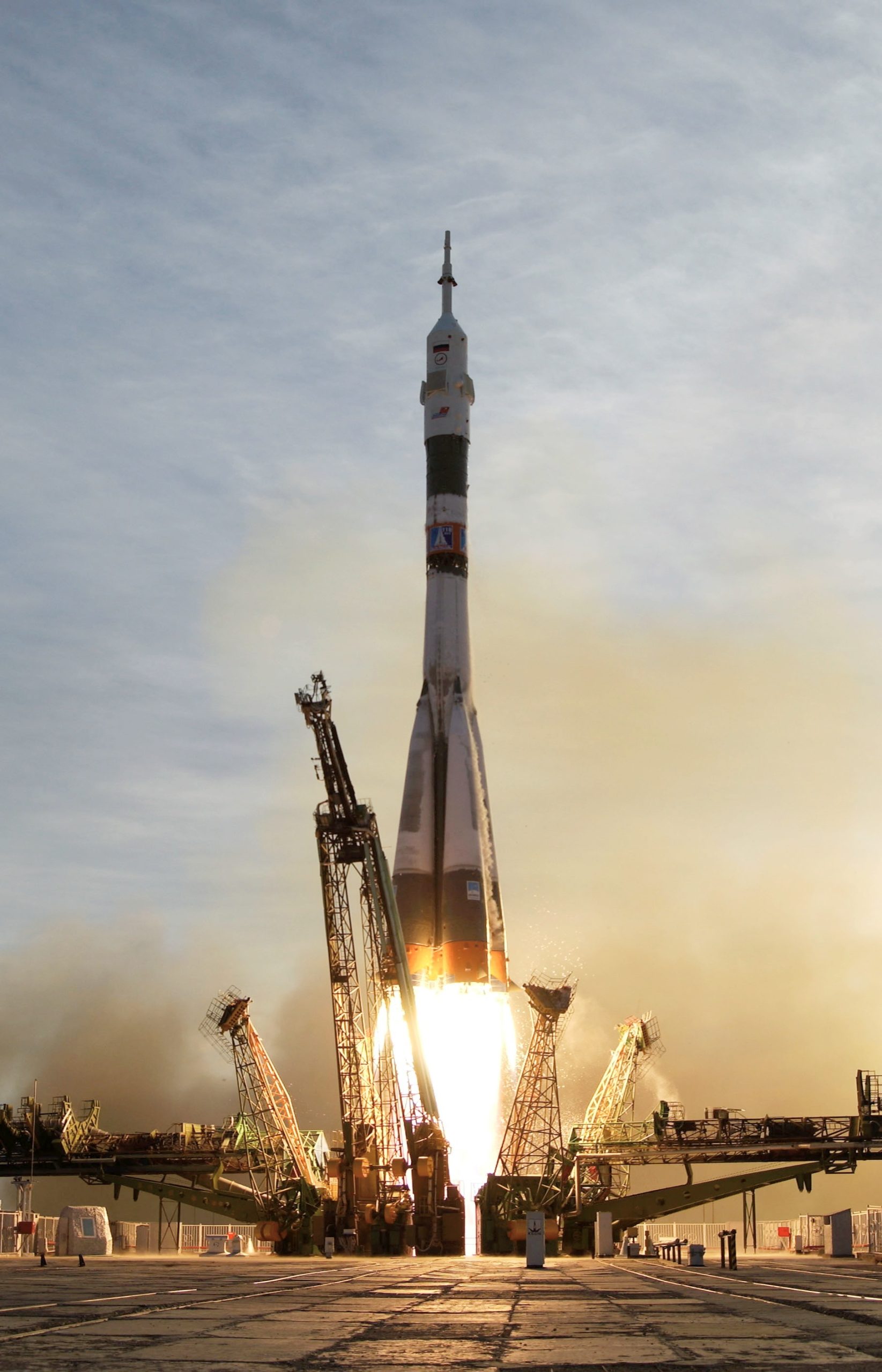
The Arctic and Space
The Arctic and Outer Space are key arenas for global competition over resources and strategic influence. Rivalries, especially involving China and Russia, are growing due to resource access and military potential in these areas. Governing these spaces is crucial to avoid conflict and ensure global stability.
-
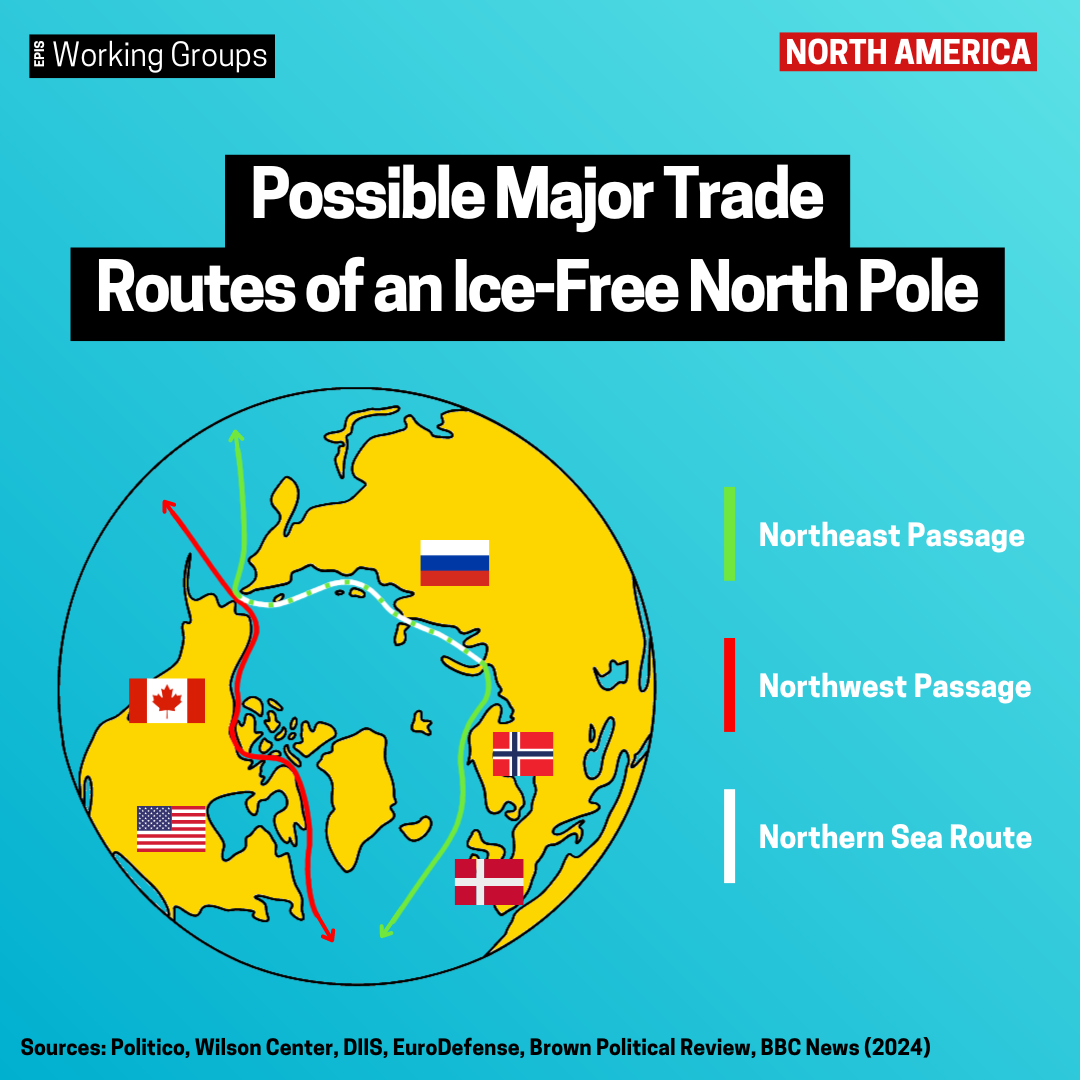
The Arctic
Melting Arctic ice drives competition; Russia gains, Canada and the U.S. cooperate but clash.