Tag: Trade Policy
-
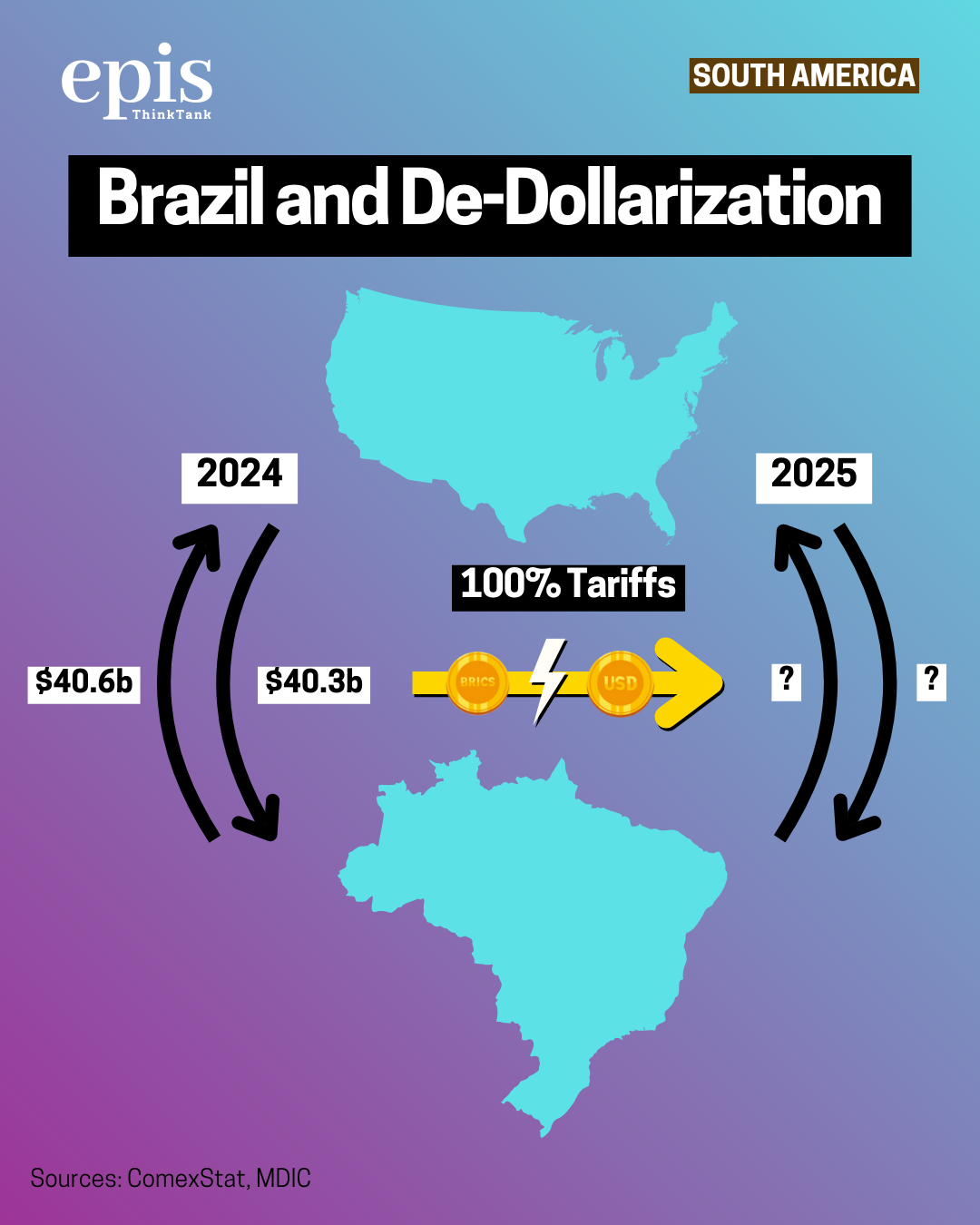
Brazil and De-dollarization
How will Brazil’s BRICS presidency in 2025 affect global de-dollarization efforts and U.S. relations? Brazil’s leadership of BRICS prioritizes developing alternative payment methods and reducing dollar dependency. The initiative faces significant challenges as Trump threatens 100% tariffs on BRICS nations pursuing de-dollarization, creating tension between Brazil’s regional leadership ambitions and its substantial U.S. trade relationship.
-
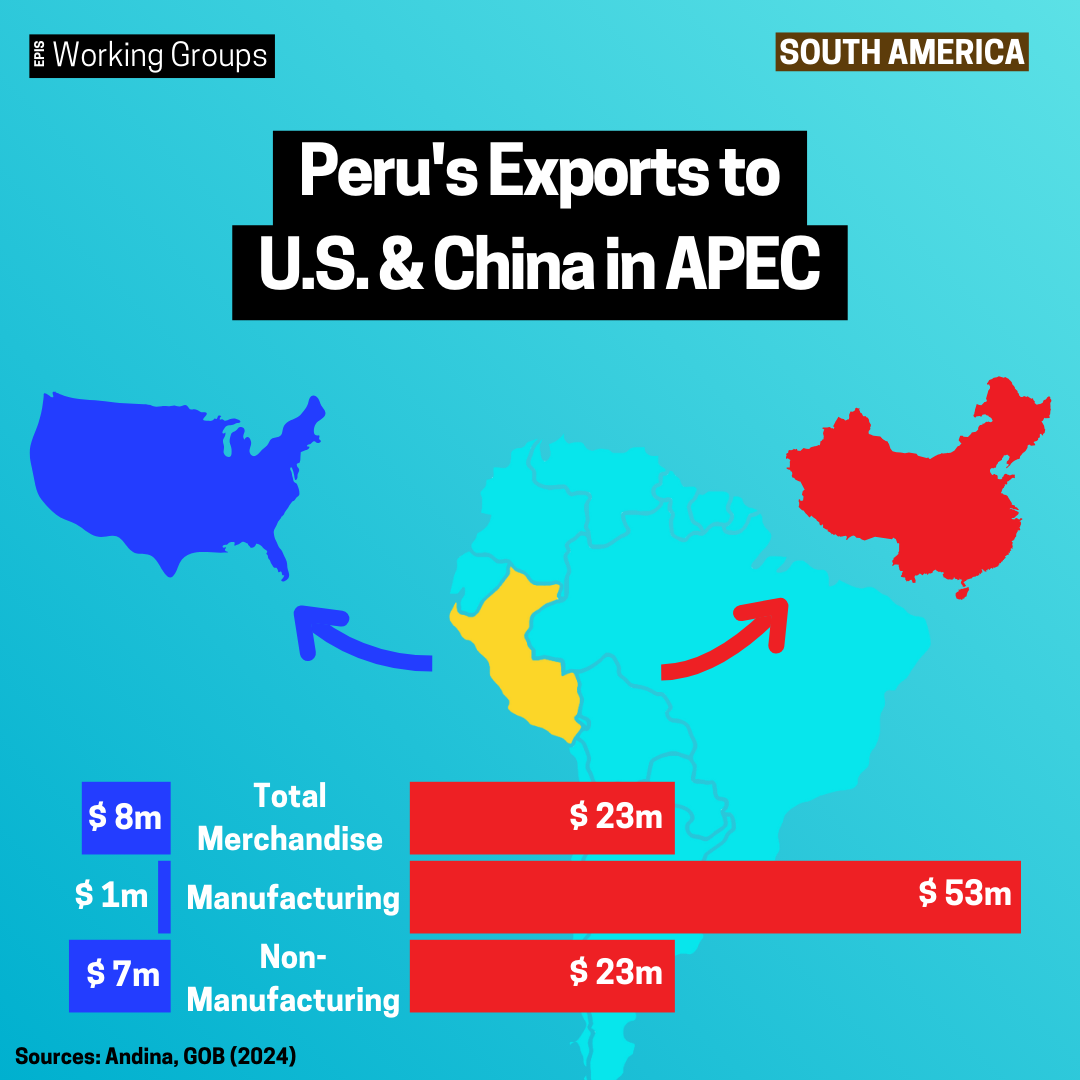
Peru’s Exports to U.S. & China in APEC
Main Question: How is the competition between China and the U.S. shaping Peru’s role as a trade hub in the Pacific? Argument: The 2024 APEC Summit highlighted China’s growing influence in Peru, exemplified by the Chancay Megaport, while U.S.-Peru ties face uncertainty due to President-elect Trump’s tariff plans. Conclusion: Peru’s strategic infrastructure projects position it…
-
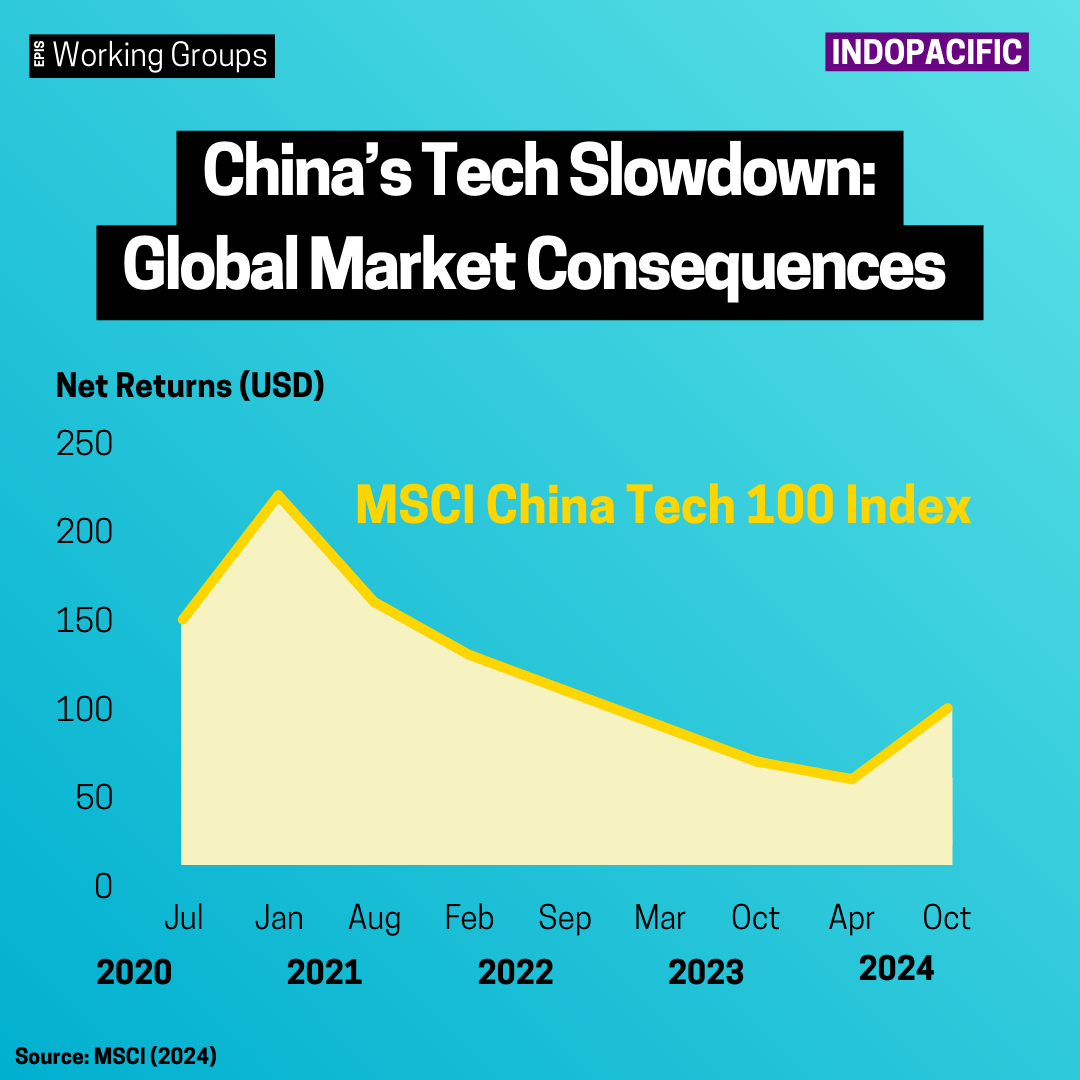
China’s Tech Slowdown Has Widespread Consequences for the Global Market
China’s tech sector faces slowing growth, falling profits, and increased uncertainty, worsened by U.S. tariffs and geopolitical tensions.
-
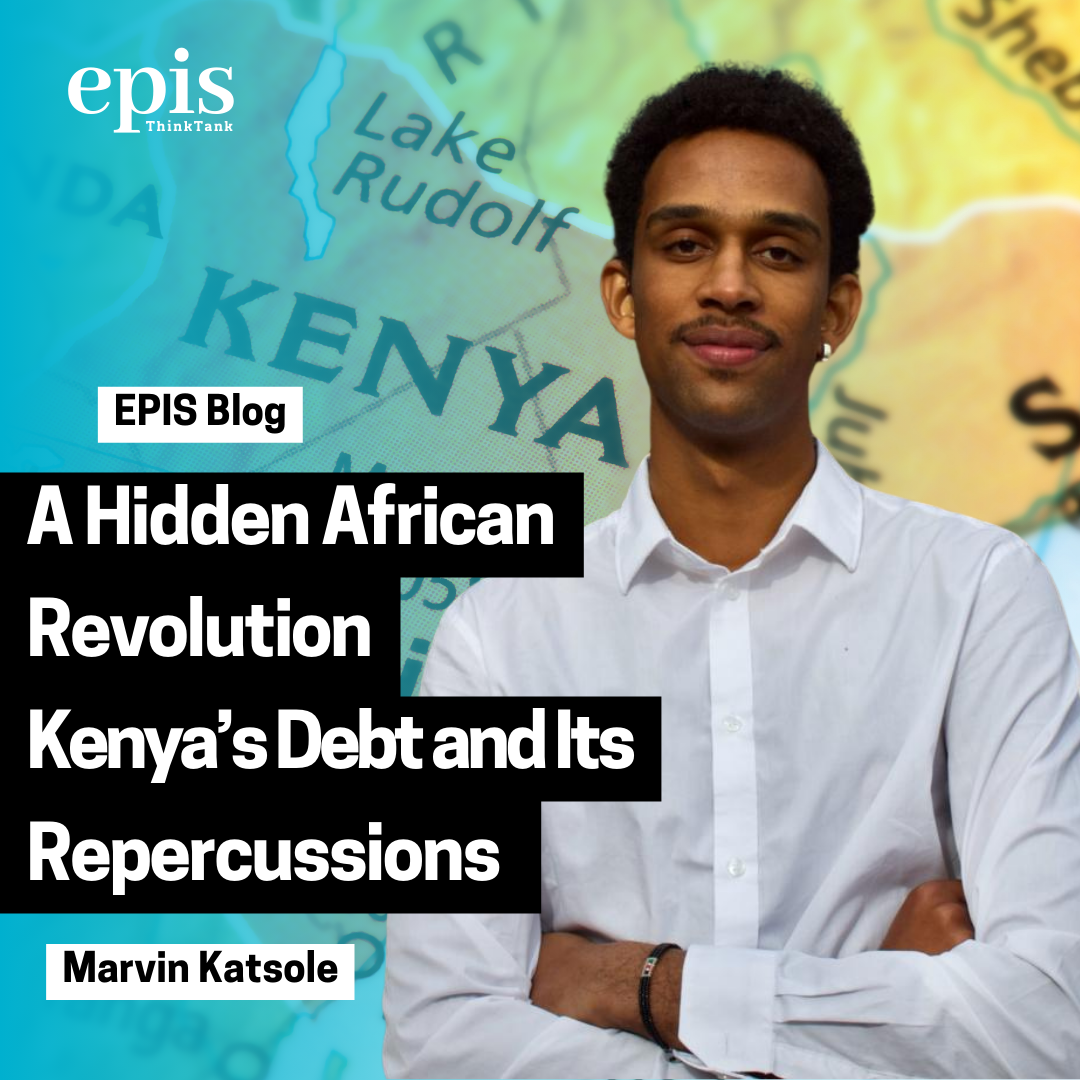
A Hidden African Revolution?
Kenya’s youth-led protests against new tax hikes have raised questions about global financial influence and Africa’s future.
-

The European Chips Act
Amidst the semiconductor shortage, the EU aims to step up and become a chip leader using the Chips Act.
-
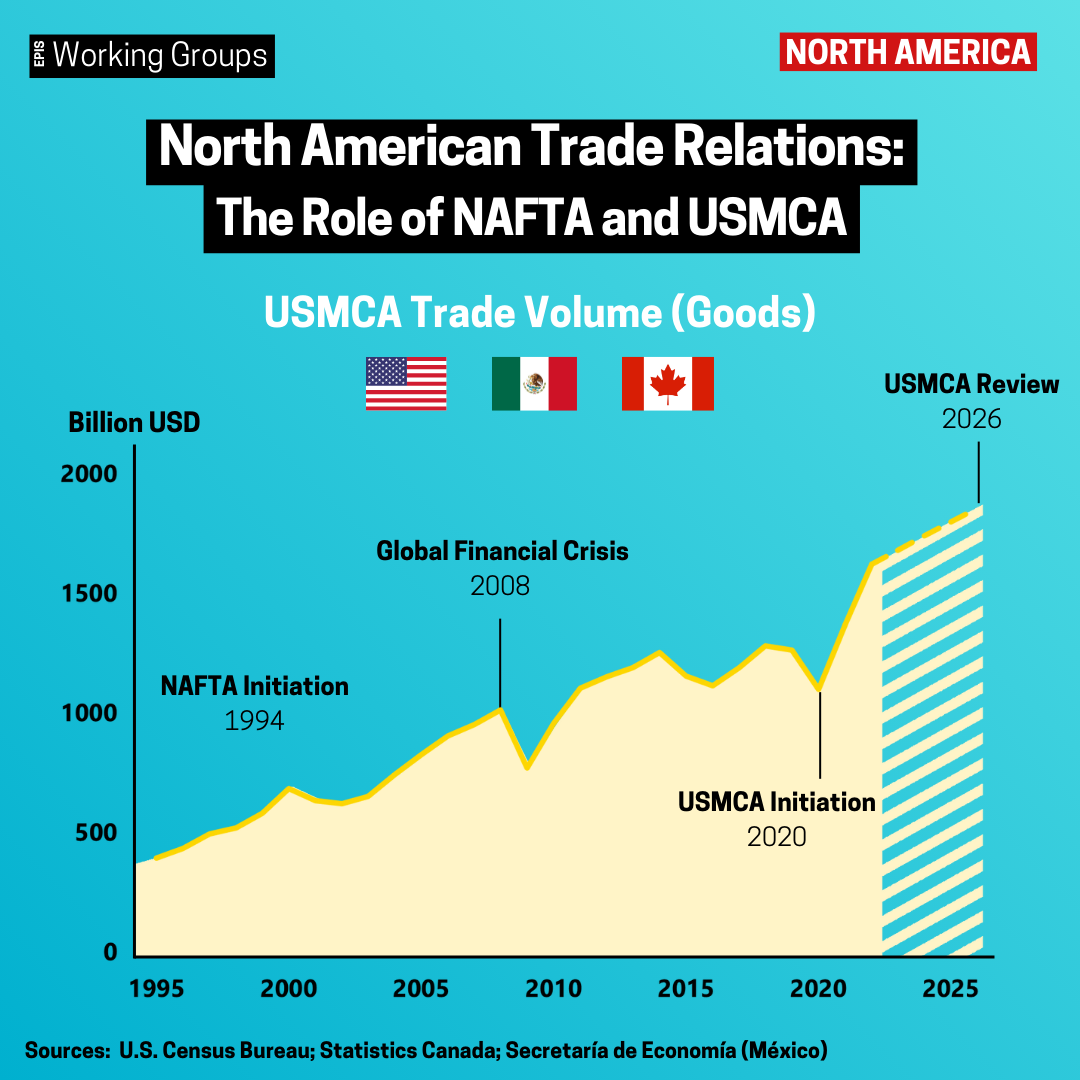
North American Trade Relations
The free trade agreements NAFTA and USMCA played relevant but overexaggerated roles in shaping North American economies.
-
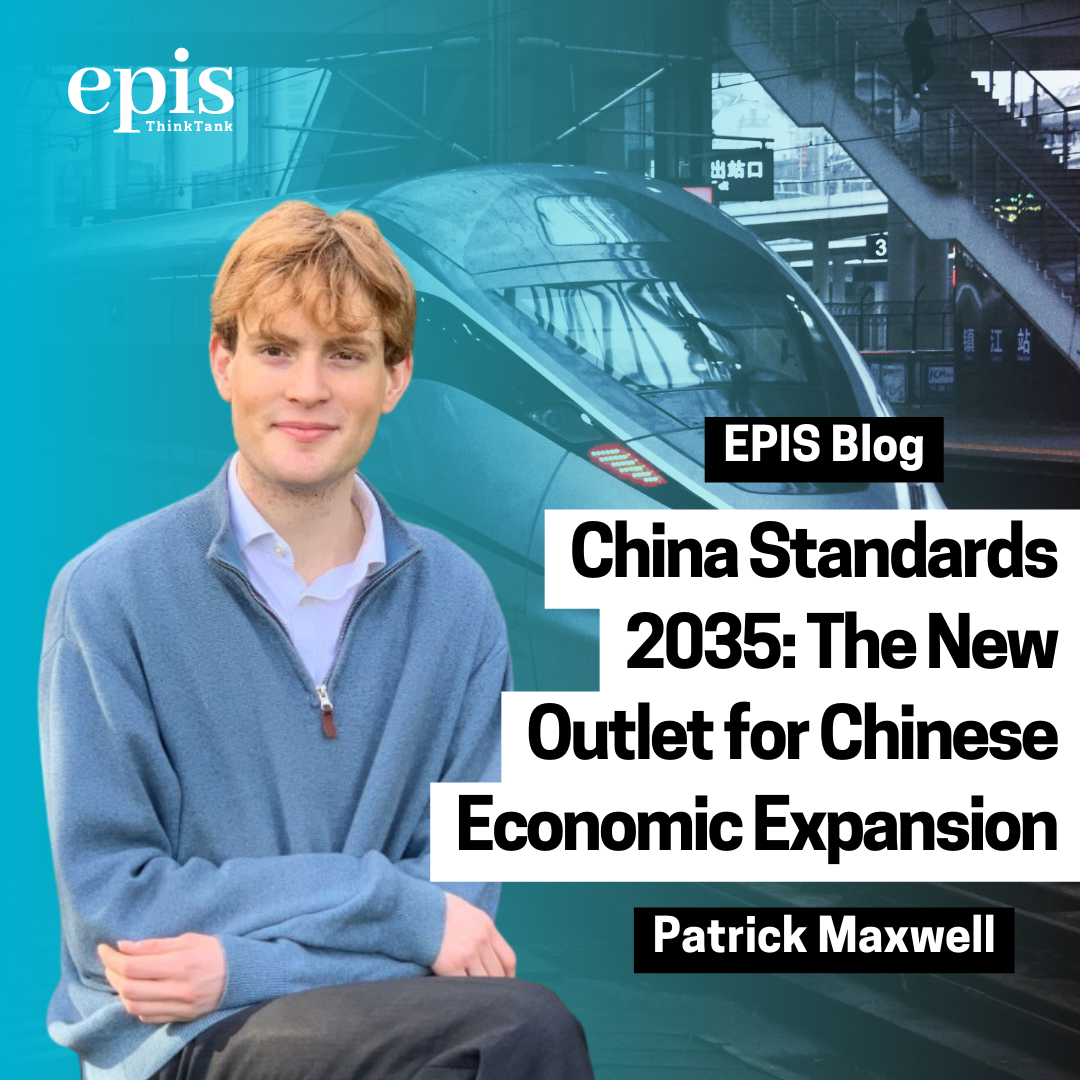
Chinese Standards 2035
China Standards 2035′ shapes the PRC’s futures fostering economic isolationism and political assertiveness.
-

Russia House
A publication by OSINT for Ukraine has revealed connections between the Russian state-run “Russia House” in Berlin and the German AfD.
-
International Monetary Fund
The International Monetary Fund (IMF) is an international financial institution founded at the Bretton Woods Conference along with the World Bank. The IMF aims to foster global monetary cooperation, ensure exchange rate stability, and facilitate international trade. It also offers financial assistance and policy advice to help countries manage economic challenges, often requiring structural reforms…
-
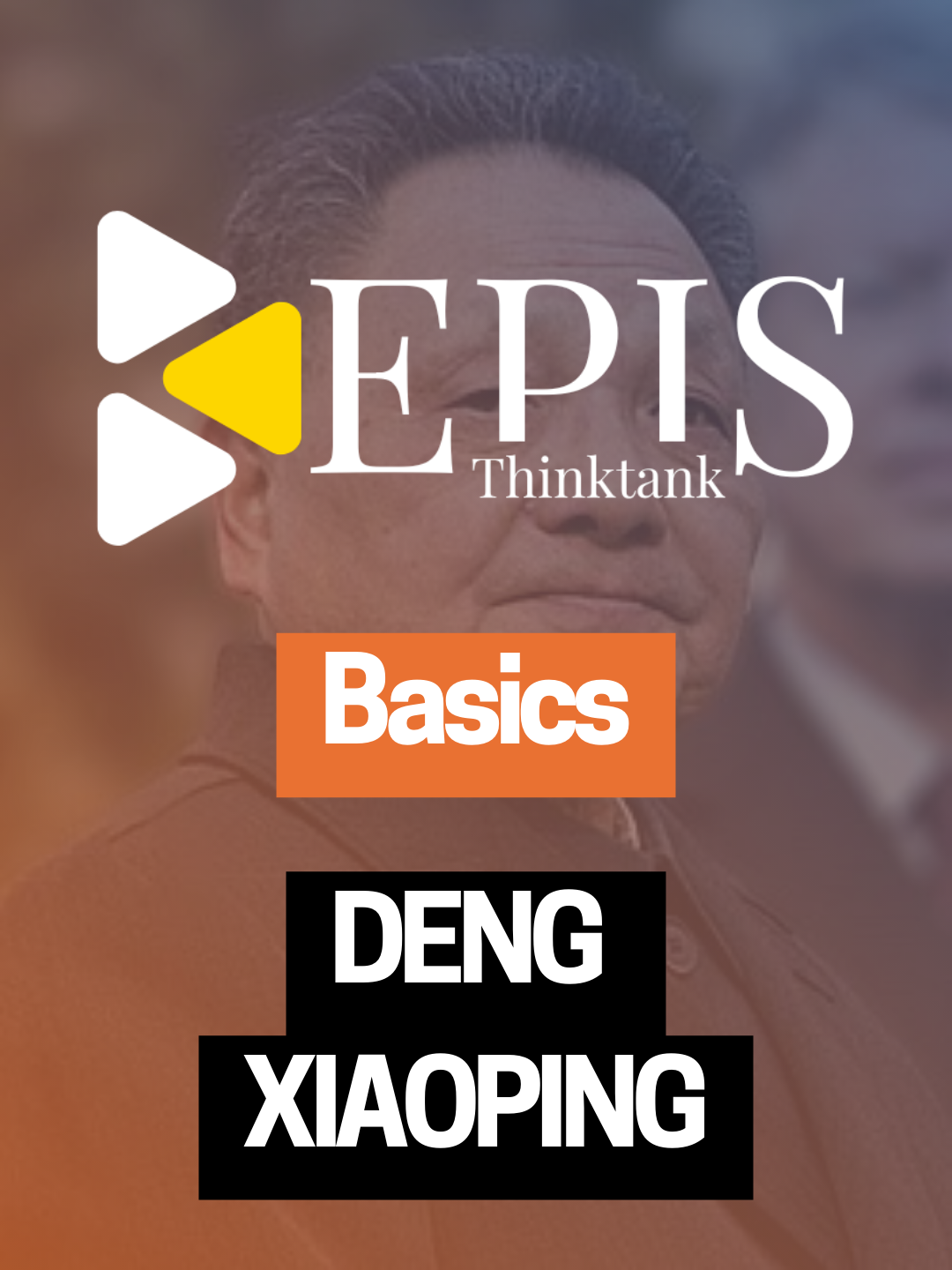
Deng Xiaoping
Deng Xiaoping’s transformative leadership reshaped China’s global presence. As part of his Reform and Opening-up diplomacy, he sought foreign investment and partnerships, opening the nation to international trade and driving China’s rapid economic growth. Deng also proposed the ‘One Country, Two Systems’ approach for the governance of Hong Kong. Deng’s shift to economic pragmatism reshaped…